
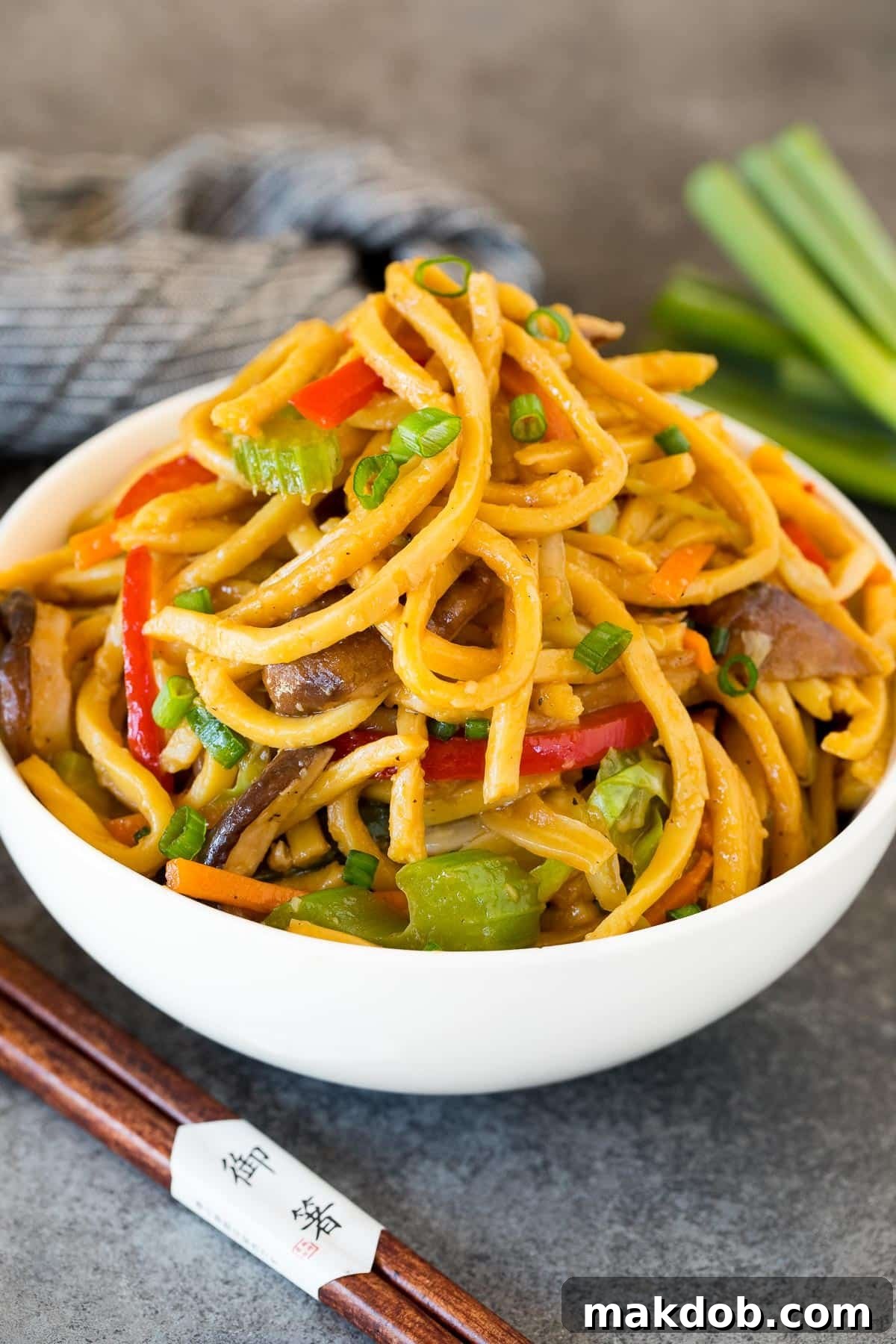
Welcome to the ultimate guide for crafting the most delightful and vibrant Vegetable Lo Mein you’ve ever tasted! This classic dish, featuring fresh, springy noodles expertly tossed with a symphony of colorful vegetables in a rich, savory sauce, is more than just a meal – it’s an experience. Forget the greasy, often bland takeout versions; this homemade recipe promises a fresh, restaurant-quality flavor that will rival your favorite Chinese restaurant, all from the comfort of your own kitchen. It’s a culinary journey that celebrates fresh ingredients, incredible textures, and the unmistakable aroma of Asian-inspired cooking.
For many of us, ordering lo mein is a non-negotiable part of any takeout feast. The sheer joy of those long, slurpable noodles intertwined with an abundance of crisp-tender vegetables is simply irresistible. What many don’t realize is how incredibly straightforward it is to recreate this beloved dish at home. Not only is it surprisingly simple, but preparing it yourself allows for complete control over the ingredients, ensuring a healthier, fresher, and undeniably more flavorful outcome. Once you master this recipe, you’ll find yourself turning to it again and again, joining the ranks of home cooks who consistently achieve delicious results with other Asian favorites like zesty Thai basil chicken, hearty almond chicken stir fry, and luscious sweet and sour pork.
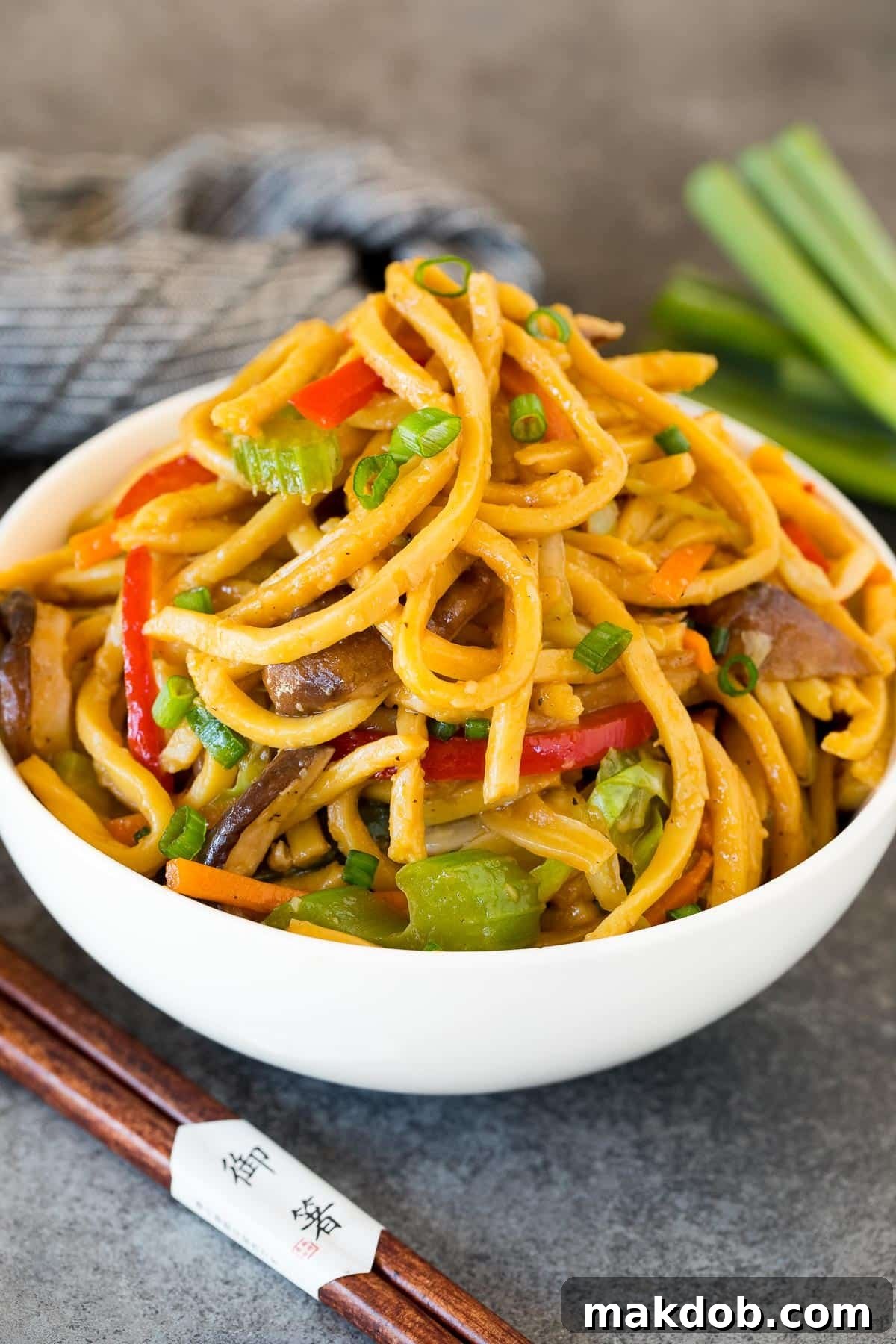
The beauty of homemade Vegetable Lo Mein lies in its simplicity and adaptability. You don’t need exotic ingredients or complicated techniques. With just a few staple pantry items and a selection of fresh produce, you can whip up a meal that’s both comforting and exciting. This recipe is designed to demystify the process, guiding you through each step to ensure perfect results every time. It’s a versatile dish that can serve as a light lunch, a satisfying main course, or even a flavorful side, making it a fantastic addition to any home cook’s repertoire. Get ready to impress your family and friends with an authentic Lo Mein that truly tastes like it came straight from your favorite restaurant!
Table of Contents
- Essential Vegetable Lo Mein Ingredients
- Step-by-Step Guide: How to Make Vegetable Lo Mein
- Expert Tips for the Perfect Lo Mein Dish
- Quick Ingredient Spotlight
- Frequently Asked Questions about Lo Mein
- Exciting Flavor Variations & Additions
- More Irresistible Asian-Inspired Recipes
- Love This Recipe? Leave a Review!
- Detailed Vegetable Lo Mein Recipe Card
Essential Vegetable Lo Mein Ingredients
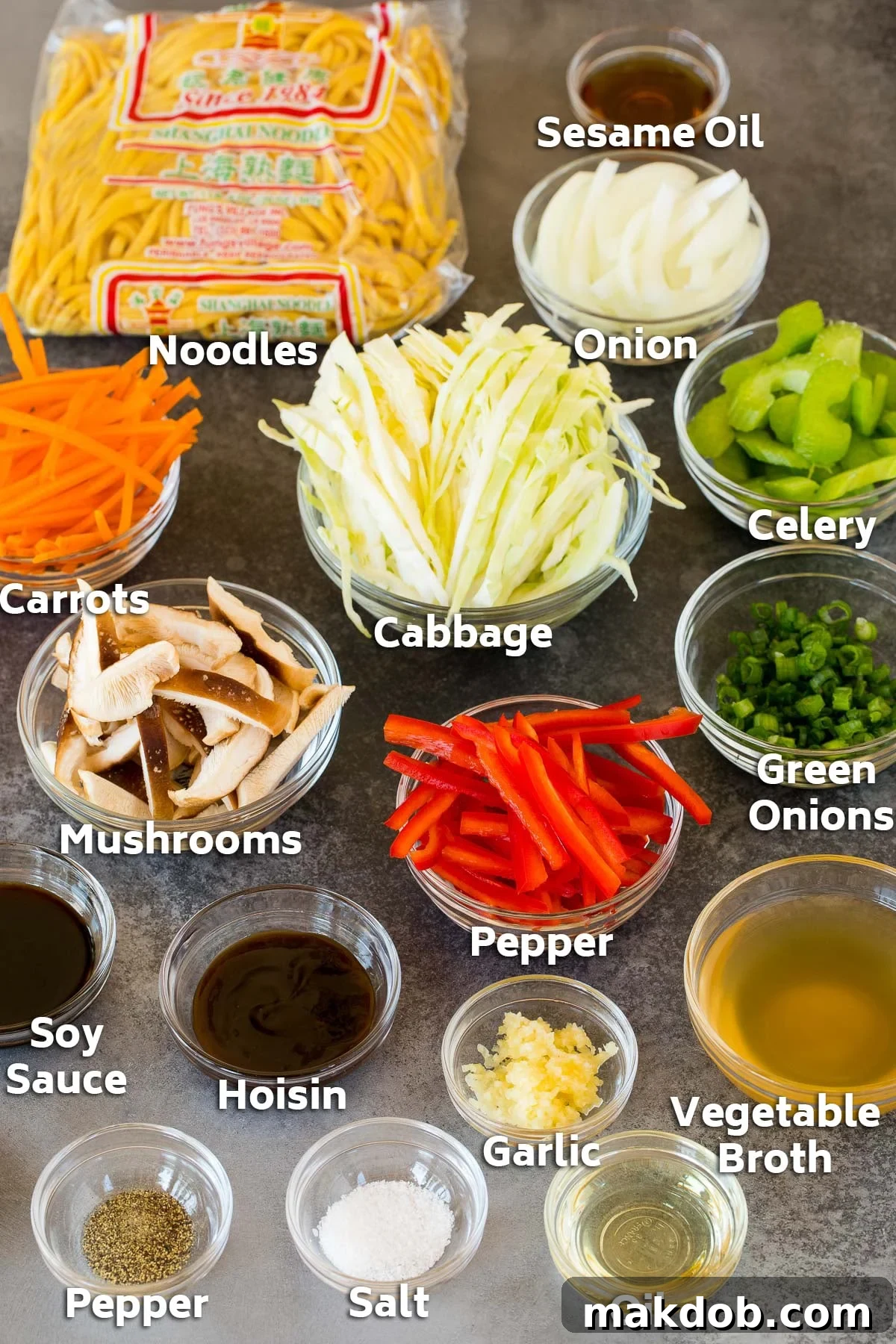
Crafting an exceptional Vegetable Lo Mein begins with selecting the right ingredients. While many components are readily available at your local grocery store, understanding their role in the dish will help you achieve the perfect balance of flavors and textures.
- The Vibrant Vegetable Medley: The foundation of any great lo mein is a colorful array of fresh vegetables. Classic choices often include crisp carrots, aromatic onions, crunchy celery, and tender cabbage. To truly elevate the dish and infuse it with more depth and visual appeal, consider incorporating additional vegetables. Some fantastic additions include vibrant red bell peppers, earthy mushrooms (such as cremini or shiitake for a more authentic touch), nutrient-rich bok choy, fresh zucchini, or crisp green beans. These additions not only boost the flavor profile but also significantly enhance the nutritional value and visual attractiveness of your lo mein. Feel free to experiment with your favorites or what’s in season!
- The Perfect Noodles: The soul of lo mein lies in its noodles. For the most authentic and satisfying experience, fresh noodles are highly recommended. Look for Asian-style egg noodles, often labeled as “Shanghai noodles,” in the refrigerated section of your grocery store’s produce aisle or at a local Asian market. These noodles have a delightful chewiness that perfectly absorbs the savory sauce. If fresh noodles are hard to come by, high-quality dry Asian noodles or even spaghetti can serve as an excellent substitute in a pinch. When using dry noodles, simply follow the package instructions for cooking until al dente. The key is to avoid overcooking them, as they will continue to soften slightly when tossed with the hot sauce and vegetables.
- The Irresistible Savory Sauce: A truly memorable lo mein sauce balances sweet, savory, and umami notes. Our recipe features a harmonious blend of rich vegetable broth, sweet and tangy hoisin sauce, umami-packed soy sauce, and aromatic sesame oil. Hoisin sauce, a thick, dark, and wonderfully flavorful Chinese condiment, is crucial for that signature takeout taste. It’s typically found in the international foods aisle. To ensure the sauce beautifully coats every strand of noodle and every piece of vegetable, a touch of cornstarch is added. This acts as a thickening agent, creating that desirable glossy finish and preventing the sauce from being watery. The result is a robust, well-rounded sauce that ties all the ingredients together perfectly.
Step-by-Step Guide: How to Make Vegetable Lo Mein
Creating this delicious Vegetable Lo Mein at home is a straightforward process, broken down into a few simple steps. The key to a successful stir-fry is to have all your ingredients prepped and ready to go before you start cooking, as the actual cooking time is quite fast.
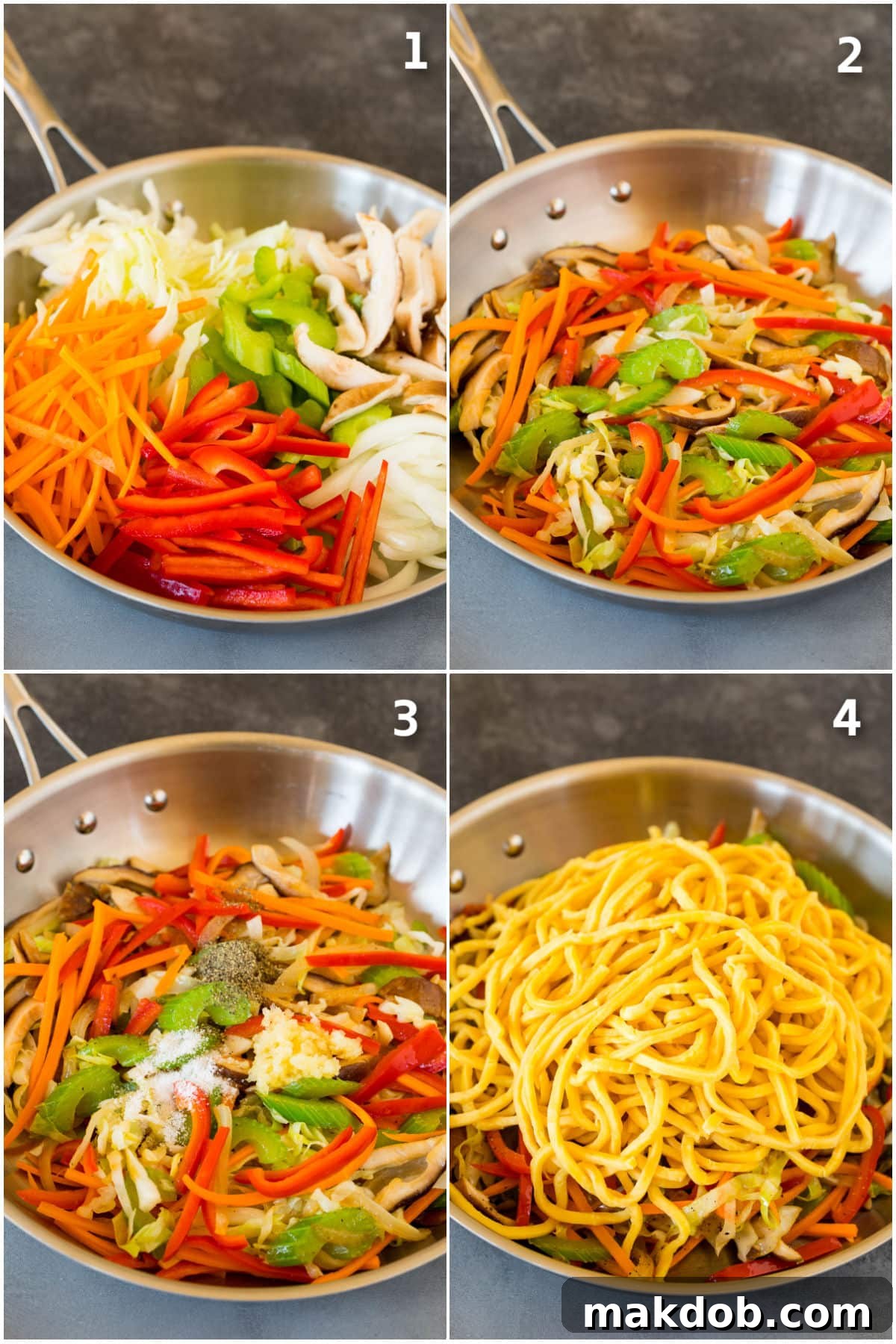
Begin by preparing your vegetables. Ensure your onions, carrots, celery, mushrooms, bell peppers, and cabbage are all thinly sliced or shredded as specified in the recipe. This uniform size helps them cook evenly and quickly. Once prepped, heat a large pan or a wok over medium-high heat. A wok is ideal for stir-frying due to its shape, which allows for even heat distribution and easy tossing, but a large skillet will work just as well. Add a tablespoon of vegetable oil and let it shimmer before adding your chosen vegetable medley.
Stir-fry the vegetables for about 4-5 minutes, or until they begin to soften but still retain a slight crispness. Remember, you want them tender-crisp, not mushy. At this point, stir in the minced garlic. Cook for another 30 seconds until fragrant, being careful not to burn the garlic. Season the vegetables lightly with salt and pepper to enhance their natural flavors.
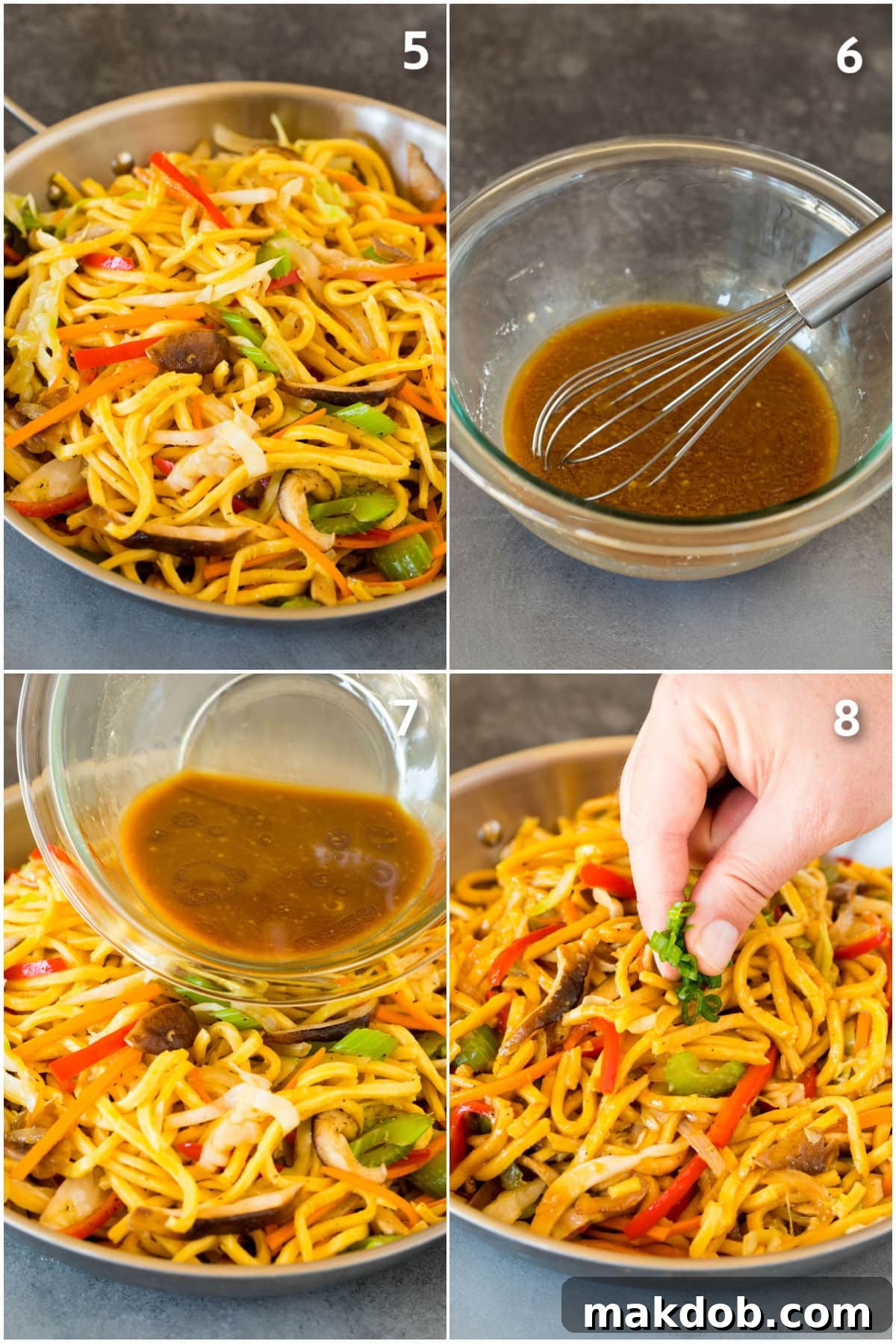
Next, add your pre-cooked noodles to the pan with the vegetables. If using fresh noodles, ensure they are cooked according to package instructions and drained well. For dry noodles, cook them until al dente. Gently toss the noodles with the cooked vegetables, ensuring an even distribution.
While the vegetables are cooking or just before adding the noodles, prepare your savory lo mein sauce. In a separate bowl, whisk together the vegetable broth, hoisin sauce, soy sauce, sesame oil, and cornstarch until smooth. The cornstarch is vital here, as it will thicken the sauce, allowing it to beautifully cling to the noodles and vegetables.
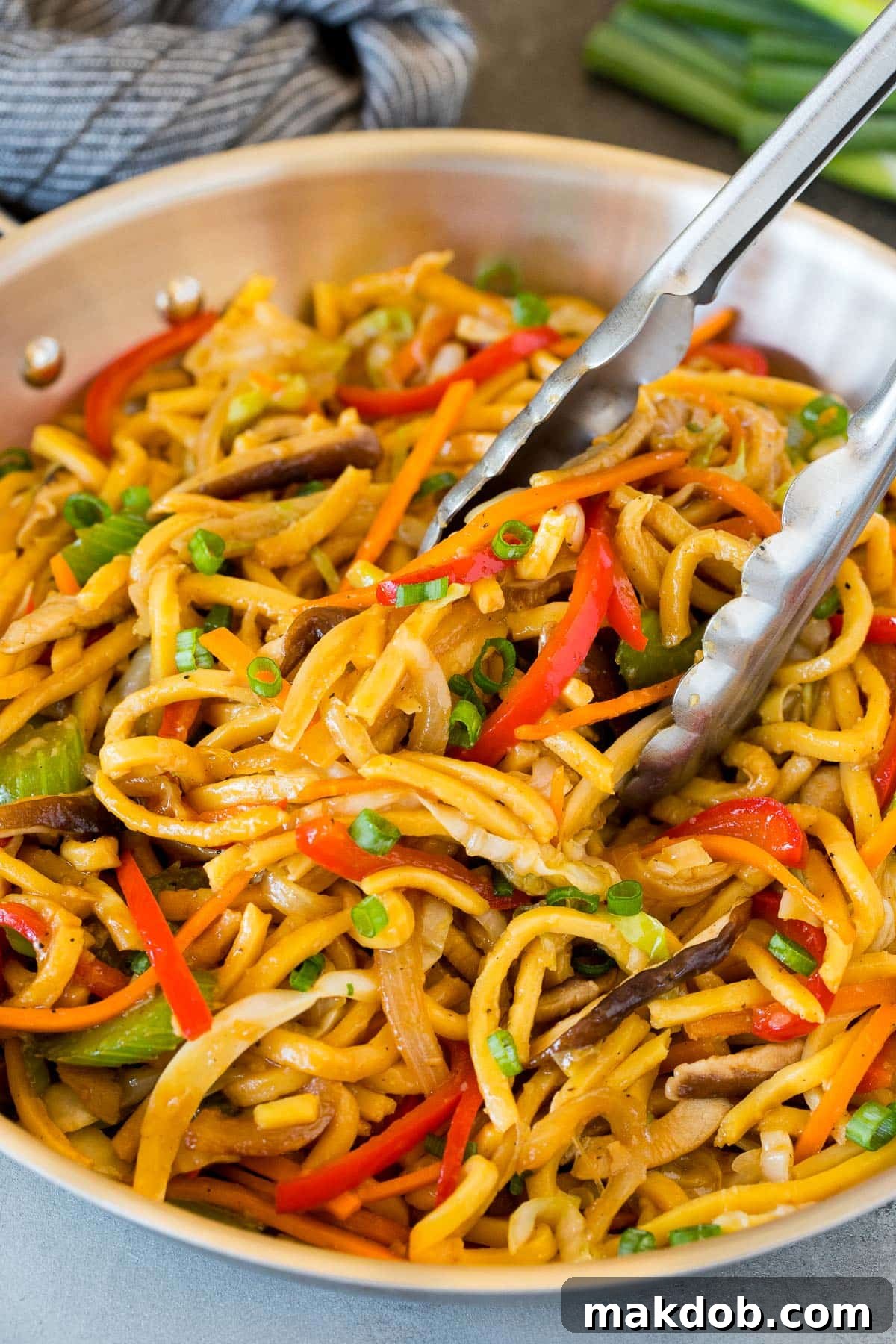
Finally, pour the whisked sauce mixture directly into the pan with the noodles and vegetables. Bring the sauce to a gentle simmer, continuously tossing and stirring the ingredients. Cook for approximately 1 minute, or until the sauce has thickened and coats everything evenly. The noodles should be glistening and perfectly coated. Remove from heat, garnish generously with fresh sliced green onions, and serve immediately to enjoy this piping hot, homemade Vegetable Lo Mein!
Expert Tips for the Perfect Lo Mein Dish
Achieving that perfect restaurant-quality Vegetable Lo Mein at home is easier than you think, especially with a few insider tips. These pointers will help you master the technique and ensure your dish is always a hit.
- Precision Slicing for Even Cooking: To ensure all your vegetables cook simultaneously and maintain their ideal texture, consider using a mandoline slicer for thinly slicing ingredients like carrots, onions, celery, and cabbage. This not only speeds up the cooking process significantly but also creates a more professional and appealing presentation. Uniformity in slicing is key to a truly successful stir-fry. If you don’t have a mandoline, a sharp knife and a steady hand will do the trick; just aim for consistently thin pieces.
- Smart Storage and Reheating: Homemade Vegetable Lo Mein stores beautifully! Leftovers will stay fresh and delicious in an airtight container in the refrigerator for up to 4 days. When storing, keep in mind that the noodles will naturally continue to absorb the sauce over time, which can make them a bit softer. To reheat, gently warm in a skillet over medium heat, adding a splash of vegetable broth or water to loosen the noodles and revitalize the sauce if it has become too thick. A microwave can also work, but stirring occasionally ensures even heating.
- Unlocking Umami with Hoisin Sauce: The distinctive sweet and savory notes of lo mein sauce come largely from hoisin sauce. This incredibly flavorful Asian condiment is a staple in many Chinese dishes and is crucial for achieving an authentic taste profile. It’s typically available in the international foods aisle of most major grocery stores. Don’t skip it, as it provides a depth of flavor that’s hard to replicate with other ingredients.
- Noodle Alternatives for Convenience: While fresh Asian-style noodles are preferred for their texture, sometimes they’re not readily available. In such instances, spaghetti can surprisingly serve as an excellent substitute. Its shape and ability to absorb sauce make it a decent stand-in. Alternatively, linguine or even ramen noodles (without the seasoning packet) can also be used. Always cook them according to package directions, ensuring they are al dente.
- The Art of High-Heat Stir-Frying: For the best results, cook your vegetables and noodles over medium-high to high heat. This rapid cooking method is essential for stir-frying, as it allows the vegetables to retain their crispness while developing a slightly caramelized flavor. Avoid overcrowding the pan, as this can lower the temperature and cause the vegetables to steam rather than stir-fry, leading to a soggy texture. If necessary, cook the vegetables in batches.
- Mise en Place is Your Best Friend: “Mise en place” (everything in its place) is critical for stir-fries. Because the cooking process is so quick, having all your ingredients chopped, measured, and ready to go before you even turn on the heat will ensure a smooth and stress-free cooking experience. This prevents burning ingredients while you’re scrambling for the next step.
- Adjust Seasoning to Taste: Always taste your sauce and the finished dish before serving. You might find it needs a little more soy sauce for saltiness, a dash of sugar (or more hoisin) for sweetness, or a touch of sesame oil for extra aroma. Personalizing the seasoning ensures the dish perfectly suits your palate.
Quick Ingredient Spotlight: Mushrooms
For an authentic Asian flavor that truly shines in this lo mein recipe, I highly recommend using shiitake mushrooms. Their earthy, umami-rich taste adds a fantastic depth. If shiitake are not available in your produce section, common and versatile alternatives like white button mushrooms or cremini mushrooms (also known as baby bellas) will work wonderfully, providing a similar texture and a milder, yet still delicious, flavor.
Frequently Asked Questions about Lo Mein
Navigating the world of Asian cuisine can sometimes bring up questions about ingredients, techniques, and variations. Here are some of the most common questions about Vegetable Lo Mein, answered to help you become a lo mein expert!
While both lo mein and chow mein are popular Chinese noodle dishes, the primary difference lies in how the noodles are prepared and their texture. Lo mein noodles are typically thicker and are boiled, then tossed with the sauce and other ingredients at the end, resulting in a soft, chewy texture. Chow mein, on the other hand, often uses thinner noodles that are usually stir-fried until crispy, or sometimes pan-fried to achieve a distinct crunch. Both dishes feature a generous amount of vegetables and flavorful seasonings like garlic and soy sauce, but the noodle preparation defines their unique character.
Vegetable lo mein is wonderfully hearty and substantial enough to be served as a complete main course on its own. However, if you’re planning a more elaborate meal with multiple entrees or desire some appetizers, it pairs beautifully with a variety of Asian-inspired dishes. Consider serving your noodles alongside crispy homemade egg rolls, decadent crab rangoon, a refreshing Asian cucumber salad, or savory sesame chicken for a truly satisfying feast. Its versatility makes it a great complement to almost any Asian spread.
The name “lo mein” directly translates from Cantonese as “tossed noodles.” This aptly describes the preparation method, where the cooked noodles are tossed vigorously with the sauce, vegetables, and any added proteins, rather than being fried until crispy. The focus is on the tender, sauce-coated noodles.
Yes, absolutely! One of the biggest advantages of making Vegetable Lo Mein at home is the ability to control the ingredients, making it significantly healthier than many takeout options. You can use less oil, reduce sodium content by opting for low-sodium soy sauce, and pack it full of fresh, nutrient-dense vegetables. It’s an excellent way to enjoy a satisfying meal that’s both flavorful and good for you. The abundance of vegetables provides essential vitamins, minerals, and fiber, making it a well-rounded dish.
This Vegetable Lo Mein recipe is already vegetarian! To make it fully vegan, simply ensure your noodles are egg-free (many fresh and dry Asian noodles are naturally vegan, but always check the label) and your hoisin sauce is vegan-friendly. For a gluten-free version, use tamari or gluten-free soy sauce instead of regular soy sauce, and ensure your noodles are certified gluten-free (rice noodles or specific gluten-free pasta can be excellent alternatives). These simple substitutions ensure everyone can enjoy this delicious dish.
For the most authentic texture, fresh Asian egg noodles (often labeled as “Shanghai noodles” or “lo mein noodles”) are ideal. They are thick, chewy, and soak up the sauce beautifully. You can typically find them in the refrigerated section of Asian grocery stores or sometimes in the produce section of larger supermarkets. If fresh noodles are not available, good quality dry egg noodles, ramen noodles (discarding the seasoning packet), or even Italian spaghetti can be used as effective substitutes. The key is to cook them al dente, as they will finish cooking in the pan with the sauce.
FOLLOW ME
Exciting Flavor Variations & Additions
While this Vegetable Lo Mein recipe is fantastic on its own, it also serves as a versatile canvas for culinary creativity. Don’t hesitate to customize it with additional ingredients to suit your personal taste preferences or whatever you have on hand.
-
Protein Power-Ups: To transform your lo mein into an even heartier and more substantial main course, consider adding your favorite proteins.
- Tofu: Diced and pan-fried or baked tofu adds a wonderful texture and plant-based protein. Marinate it first for extra flavor!
- Chicken: Thinly sliced chicken breast or thigh, quickly stir-fried until cooked through, is a classic addition.
- Shrimp: For a delightful seafood twist, add peeled and deveined shrimp during the last few minutes of cooking, as they cook very quickly.
- Beef: Thinly sliced flank steak or sirloin, marinated in a bit of soy sauce and cornstarch, stir-fries beautifully and adds rich flavor.
- Eggs: Scrambled eggs, cooked separately and then folded into the lo mein at the end, are another simple and delicious protein booster.
-
Expand Your Vegetable Horizons: The sky is truly the limit when it comes to adding more vegetables! Lo mein is an excellent way to use up whatever fresh produce you have in your fridge. Consider these additions for even more flavor, texture, and nutrition:
- Bean Sprouts: For added crunch and freshness, stir in a handful of bean sprouts during the last minute of cooking.
- Snap Peas or Snow Peas: These offer a sweet crunch and vibrant green color.
- Edamame: Shelled edamame beans provide a boost of protein and a slightly nutty flavor.
- Broccoli or Broccolini: Florets cooked until tender-crisp add a healthy, robust element.
- Water Chestnuts or Bamboo Shoots: These canned Asian vegetables offer a unique, crisp texture.
- Spinach or Napa Cabbage: Wilt these leafy greens into the hot noodles just before serving.
-
Sauce Sensations & Spice Adventures: The sauce can also be easily customized to your liking.
- Ginger Zing: For an extra layer of aromatic warmth, grate some fresh ginger directly into the sauce mixture.
- Heat Seekers Rejoice: If you love spicy food, a dash of sriracha, a pinch of red pepper flakes, or a spoonful of chili garlic sauce stirred into the sauce (or served on the side) will provide that fiery kick.
- Umami Boost: A tiny splash of mushroom soy sauce or a pinch of MSG (monosodium glutamate) can further enhance the savory umami notes.
- Sweetness Adjustment: If you prefer a slightly sweeter lo mein, add a teaspoon of brown sugar or honey to the sauce.
- Textural Topping: Sprinkle some toasted sesame seeds over the finished dish for a pleasant nutty crunch and visual appeal.
With these endless possibilities, you’ll find yourself eagerly experimenting with this vegetable lo mein recipe on a regular basis. It’s truly a flexible and incredibly rewarding dish to master – loaded with fantastic flavors, satisfying textures, and a wonderful way to ensure you’re getting plenty of delicious vegetables!
More Irresistible Asian-Inspired Recipes
If you loved this Vegetable Lo Mein, explore more of our favorite Asian-inspired dishes that bring takeout flavors right into your kitchen with simple, homemade goodness.
Moo Shu Pork
30 mins
Sesame Noodles
15 mins
Easy Egg Drop Soup
20 mins
Kung Pao Beef
30 mins
Yakisoba Noodles with Chicken
40 mins
Love This Recipe? Leave a Review!
We would be absolutely thrilled if you shared your experience! Please take a moment to leave a 5-star 🌟🌟🌟🌟🌟 rating in the recipe card below & a review in the comments section further down the page. Your feedback helps other home cooks discover and enjoy this delicious recipe!
Vegetable Lo Mein
Pin
Save
Saved
Time
Ingredients
- 1 tablespoon vegetable oil
- 1/2 cup onion thinly sliced
- 1/2 cup carrots shredded or julienned
- 1/4 cup celery thinly sliced
- 1 cup green cabbage shredded
- 3/4 cup shiitake mushrooms stems removed, thinly sliced
- 1/2 cup red bell pepper thinly sliced
- 2 teaspoons minced garlic
- 10 ounces fresh noodles cooked according to package instructions
- 1/3 cup vegetable broth
- 2 tablespoons hoisin sauce
- 2 tablespoons soy sauce
- 1 tablespoon sesame oil
- 2 teaspoons corn starch
- 1/4 cup green onions sliced
- salt and pepper to taste
Instructions
-
Heat the oil in a large pan or wok over medium-high heat.
-
Add the onions, carrots, celery, cabbage, mushrooms, and bell peppers to the pan and cook for 4-5 minutes, or until just softened and tender-crisp.
-
Stir in the minced garlic and cook for an additional 30 seconds until fragrant. Season the vegetables with salt and pepper to taste.
-
Add the pre-cooked and drained noodles to the pan, then gently toss to combine with the vegetables.
-
In a separate medium bowl, whisk together the vegetable broth, hoisin sauce, soy sauce, sesame oil, and corn starch until completely smooth and lump-free.
-
Pour the prepared sauce mixture into the pan with the noodles and vegetables. Bring the sauce to a gentle simmer, continuously tossing. Cook for 1 minute or until the sauce has thickened and beautifully coats all the ingredients. Remove from heat.
-
Garnish generously with fresh sliced green onions, then serve immediately and enjoy your delicious homemade Vegetable Lo Mein!
Notes
- Vegetable lo mein will stay fresh in an airtight container in the refrigerator for up to 4 days. Keep in mind that the noodles will continue to absorb the sauce as they sit in the fridge, becoming softer.
- For the best texture and authentic flavor, I find that fresh noodles work best, such as Asian-style egg noodles. Many grocery stores sell these “Shanghai noodles” in the refrigerated area of the produce section, or you can easily purchase them at an Asian market. If fresh noodles are not available in your area, high-quality dry noodles will also work well; just ensure they are cooked according to package instructions until al dente. Check your grocery store’s international foods aisle for various dry noodle options.
Nutrition
Tweet
Pin