
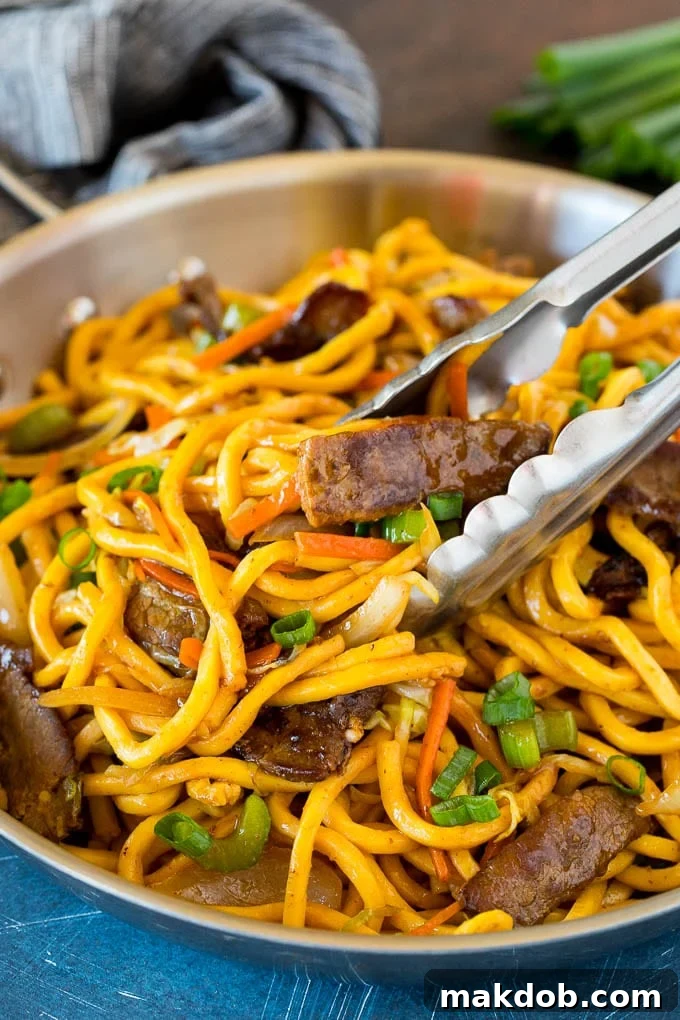
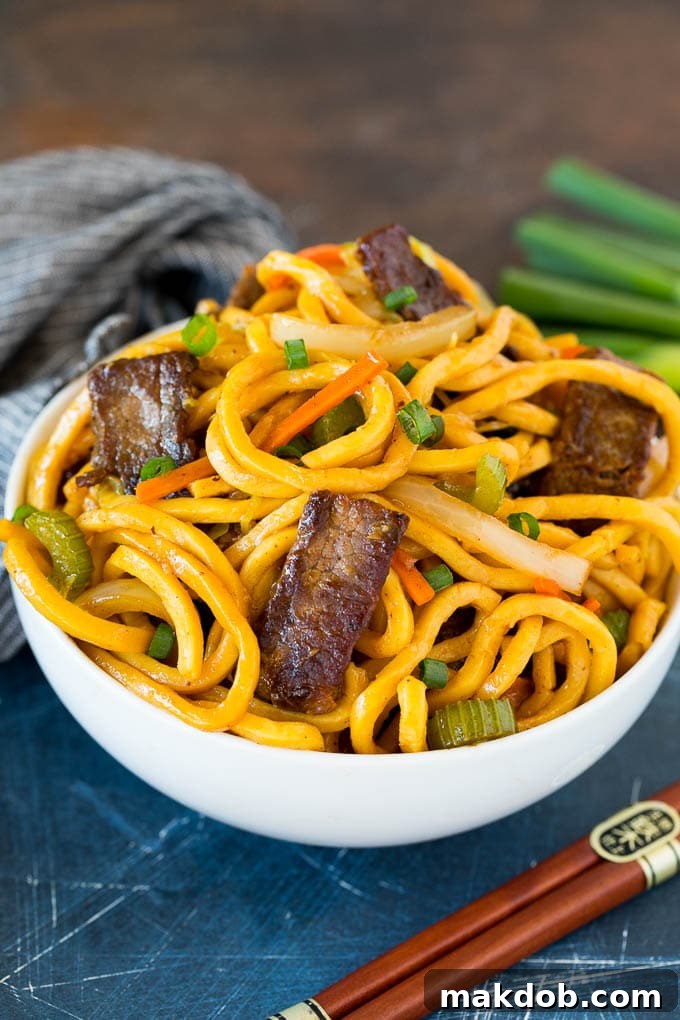
Craving the rich, savory flavors of your favorite Chinese takeout? Look no further! This incredible homemade Beef Lo Mein recipe delivers an authentic taste experience that rivals, and often surpasses, anything you’d order from a restaurant. Featuring tender, stir-fried steak, crisp vegetables, and springy egg noodles, all coated in a luscious, umami-packed sauce, this dish is a true crowd-pleaser and remarkably easy to prepare right in your own kitchen.
Making classic Chinese dishes at home has become a passion, transforming family favorites like General Tso’s chicken, fried wontons, and this effortlessly delicious lo mein into accessible weeknight meals. The satisfaction of crafting these dishes from scratch, knowing exactly what goes into them, is truly unmatched.
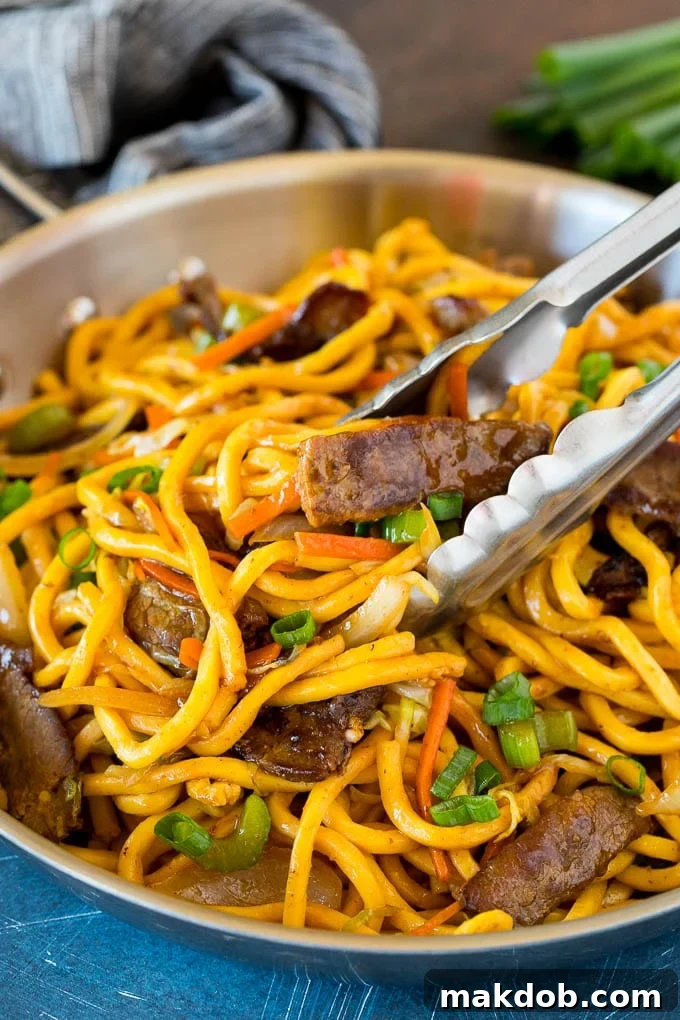
Whenever we consider ordering Chinese takeout, Beef Lo Mein is invariably at the top of my family’s request list. This prompted me to master this classic recipe at home, and I discovered it’s surprisingly straightforward. The benefits of cooking lo mein yourself extend beyond just taste; you gain complete control over the ingredients, allowing for fresher produce, higher quality meat, and adjustments to suit dietary needs or preferences, such as reducing sodium or adding more vegetables.
This versatile lo mein dish shines as a standalone main course, yet it also pairs beautifully with other Chinese culinary delights for an elaborate homemade feast. When I’m planning a full Chinese meal, I often begin with delightful appetizers like crispy fried wontons or creamy crab rangoon. To complement the rich beef lo mein, I love to include a chicken dish such as tangy orange chicken or savory Mongolian chicken. Be sure to explore all my Asian food recipes to curate your perfect menu!
Table of Contents
- Why Make Homemade Beef Lo Mein?
- Understanding Lo Mein
- Beef Lo Mein Ingredients
- How Do You Make Beef Lo Mein?
- Tips For The Perfect Dish
- Recipe FAQs
- Beef Lo Mein Variations
- Serving Suggestions for a Chinese Feast
- More Recipes You’ll Love
- Beef Lo Mein Video
- Love This Recipe?
- Beef Lo Mein Recipe
Why Make Homemade Beef Lo Mein?
Beyond the sheer joy of cooking, there are compelling reasons to prepare Beef Lo Mein at home. Firstly, it offers unparalleled freshness. You can select the finest, crispest vegetables and highest quality cuts of beef, ensuring a vibrant and tender dish every time. Secondly, homemade means control. You can adjust the level of sodium, sugar, and oil to align with your dietary needs, making it a healthier alternative to many takeout options. Thirdly, it’s often more economical. Ingredients for a family-sized portion of lo mein can be less expensive than ordering multiple individual servings from a restaurant. Finally, the process itself is a rewarding culinary experience, allowing you to master a classic technique and impress your family and friends with a delicious, customized meal.
Understanding Lo Mein
Before we dive into the recipe, let’s quickly clarify what lo mein truly is. The term “lo mein” literally translates to “tossed noodles” in Cantonese. This refers to the preparation method where pre-cooked noodles are added to a hot wok with stir-fried meat and vegetables, then tossed with a flavorful sauce until thoroughly coated. Unlike chow mein, where the noodles are often pan-fried until crispy, lo mein noodles remain soft and chewy, soaking up the delicious sauce. This characteristic texture is a hallmark of authentic lo mein and is key to its widespread appeal.
Beef Lo Mein Ingredients
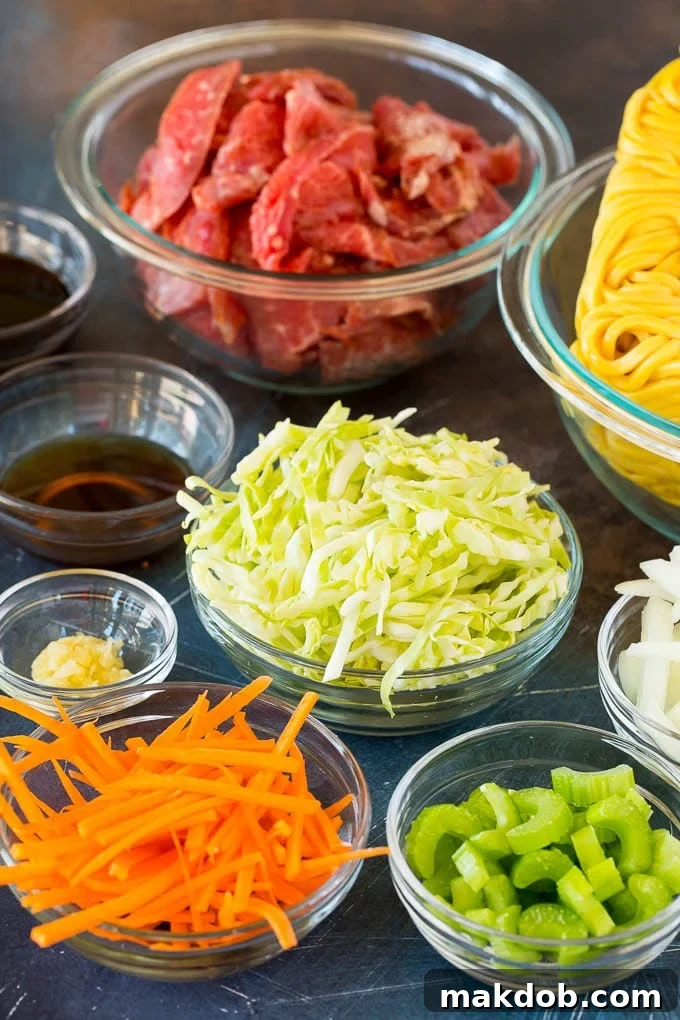
To craft this delectable Beef Lo Mein, you’ll need a selection of fresh ingredients, easily found at most grocery stores or Asian markets. The foundation of the dish includes:
- Flank Steak: Chosen for its robust flavor and ability to remain tender when thinly sliced and quickly cooked. It’s an economical yet flavorful choice.
- For the Beef Marinade: Granulated sugar, a touch of sesame oil for nutty aroma, soy sauce for umami, and cornstarch to tenderize the beef and create a silky coating.
- Vegetable Oil: For high-heat stir-frying.
- Egg Noodles: The heart of lo mein. Look for fresh, relatively thick, pre-cooked egg noodles in the refrigerated section of your grocery store or an Asian supermarket.
- Vibrant Vegetables: Yellow onion, shredded or julienned carrots, thinly sliced celery, and shredded cabbage provide essential texture, color, and nutrients. Minced garlic adds aromatic depth.
- For the Savory Lo Mein Sauce: Beef broth forms the base, hoisin sauce contributes a sweet and savory richness (often found in the international foods aisle), more soy sauce for seasoning, a generous tablespoon of sesame oil for an authentic flavor profile, and cornstarch to thicken the sauce to a perfect consistency.
- Garnish and Seasoning: Sliced green onion tops (the dark green part) for a fresh finish, along with salt and pepper to taste.
Each ingredient plays a crucial role in building the complex and satisfying flavors of this classic dish, making every bite a delight.
How Do You Make Beef Lo Mein?
Creating this Beef Lo Mein is a streamlined process that maximizes flavor and efficiency. Here’s a detailed breakdown:
- **Marinate the Beef:** Begin by preparing a quick marinade for your thinly sliced flank steak. In a bowl, combine the beef with sugar, sesame oil, soy sauce, and cornstarch. This marinade not only imparts flavor but also tenderizes the meat, ensuring it’s wonderfully juicy after cooking. Allow it to sit for at least 10 minutes while you prepare other ingredients.
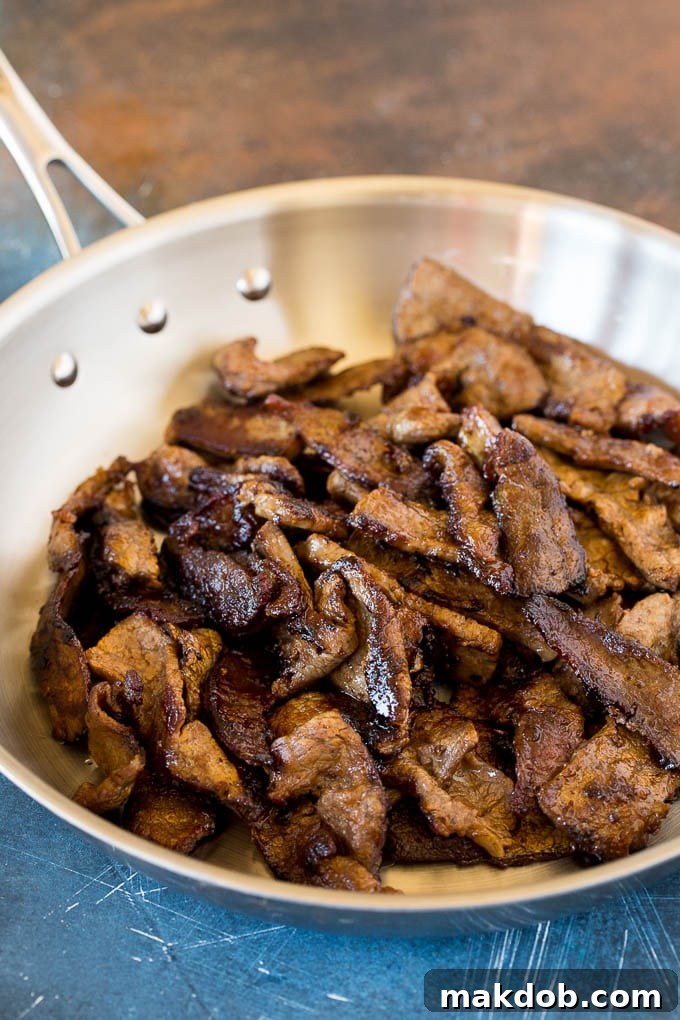
- **Sear the Steak:** Heat vegetable oil in a large pan, a spacious skillet, or a traditional wok over medium-high heat until shimmering. Add the marinated flank steak in a single layer, ensuring not to overcrowd the pan. Cook the meat for 3-4 minutes per side until it’s beautifully browned and caramelized. Once cooked, remove the steak from the pan and set it aside, reserving any drippings.
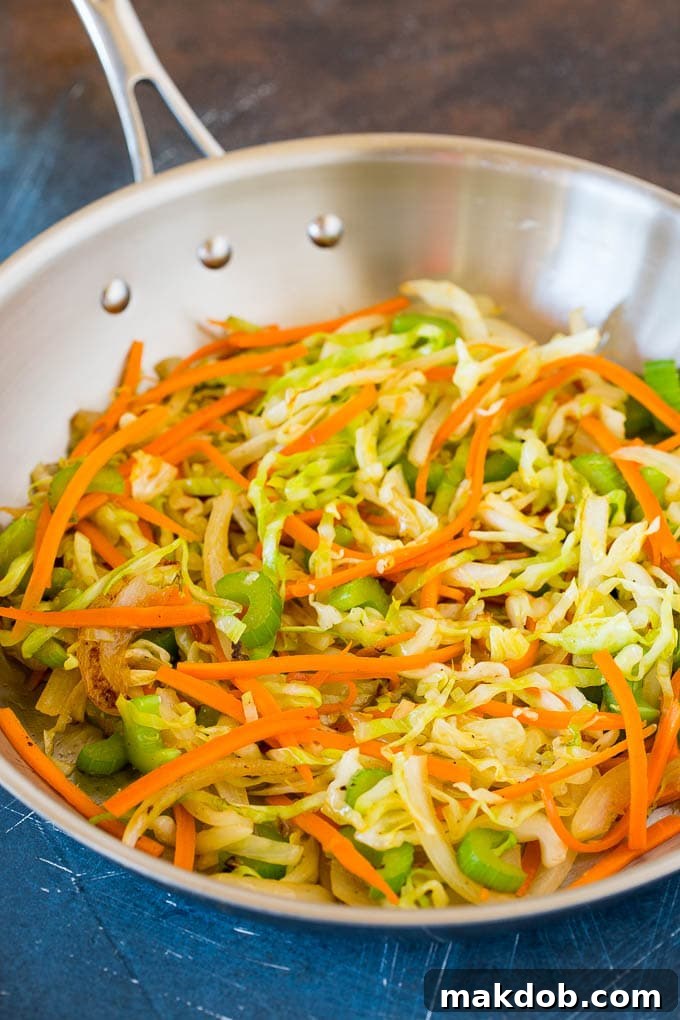
- **Stir-Fry the Vegetables:** Using the same pan, add the sliced yellow onions, shredded carrots, thinly sliced celery, and shredded cabbage. Stir-fry these vegetables for 3-4 minutes until they are just softened yet still retain a slight crispness. This ensures a delightful textural contrast in the final dish. Next, add the minced garlic and cook for another 30 seconds until fragrant, being careful not to burn it.
- **Combine Noodles and Beef:** Return the seared beef to the pan with the vegetables. Add the pre-cooked fresh egg noodles. Gently toss everything together, ensuring the noodles and vegetables are well mixed with the beef.
- **Prepare the Lo Mein Sauce:** In a separate small bowl, whisk together the beef broth, hoisin sauce, soy sauce, sesame oil, and cornstarch until smooth. The cornstarch is essential for thickening the sauce, giving it that desirable glossy finish.
- **Thicken and Finish:** Pour the prepared sauce over the beef, noodles, and vegetables in the pan. Bring the mixture to a gentle simmer, continuously tossing for about 1 minute until the sauce thickens and coats all the ingredients beautifully.
- **Garnish and Serve:** Remove from heat, then sprinkle generously with sliced green onion tops for a burst of fresh flavor and vibrant color. Serve immediately and enjoy your perfectly crafted Beef Lo Mein!
Tips For The Perfect Dish
Achieving restaurant-quality Beef Lo Mein at home is simple with a few key tips:
- Noodle Selection is Key: For the most authentic lo mein experience, opt for fresh egg noodles. These are often labeled as Shanghai noodles and can be found in the refrigerated section of Asian supermarkets. Many larger grocery stores also carry a selection of fresh Asian noodles near the produce. If fresh egg noodles are unavailable, fresh yakisoba noodles or dried lo mein noodles are excellent alternatives. In a pinch, even spaghetti or Japanese udon noodles can be used, though the texture will be slightly different. The goal is a noodle that remains tender and chewy when tossed in sauce, rather than getting crispy like chow mein.
- Choosing the Right Beef Cut: I typically use flank steak for its balance of flavor, tenderness, and affordability. When thinly sliced against the grain, it cooks quickly and remains incredibly tender. Other fantastic choices include sirloin or New York strip steak. Always slice your beef thinly and against the grain for maximum tenderness.
- Customize Your Vegetables: Lo mein is incredibly versatile, allowing you to incorporate a wide array of vegetables. Beyond the carrots, celery, and cabbage, consider adding colorful bell peppers (red, yellow, or green), earthy mushrooms (shiitake or cremini), crisp broccoli florets, or traditional bok choy. Snow peas, water chestnuts, or bamboo shoots can also add interesting textures. Feel free to use whatever fresh vegetables you have on hand or prefer. The key is to cut them similarly in size for even cooking.
- The Power of a Wok (or Large Skillet): While a traditional wok is ideal for stir-frying due to its high walls and even heat distribution, a large, heavy-bottomed skillet can work just as well. Ensure your pan is adequately sized to avoid overcrowding, which can steam ingredients instead of stir-frying them. High heat and quick cooking are essential for tender-crisp vegetables and perfectly seared beef.
- High Smoke Point Oil: When stir-frying, use an oil with a high smoke point like vegetable oil, canola oil, or peanut oil. This prevents the oil from burning and imparting an off-flavor to your dish.
- Proper Storage: Leftover Beef Lo Mein can be stored in an airtight container in the refrigerator for up to 3 days. For best results, reheat gently in a microwave or a skillet with a splash of water or broth to prevent the noodles from drying out.
Quick Tip
For effortless thin slicing of your steak, place it in the freezer for 20-30 minutes before cutting. This firms up the meat, making it much easier to achieve uniform, delicate slices against the grain.
Recipe FAQs
For authentic Beef Lo Mein, I use fresh egg noodles, often labeled as Shanghai noodles. These are typically thicker and longer than other noodle varieties and are usually sold pre-cooked in the refrigerated section of Asian markets or large grocery stores. Their tender, chewy texture is perfect for absorbing the savory sauce without becoming mushy.
The delightful sauce for this Beef Lo Mein is a harmonious blend of beef broth, hoisin sauce (which provides a unique sweet and savory depth), soy sauce for essential umami and saltiness, a touch of fragrant sesame oil, and cornstarch, which acts as a thickener, giving the sauce its characteristic glossy consistency.
While both lo mein and chow mein are popular Chinese noodle dishes, their preparation and noodle characteristics differ significantly. Lo mein, meaning “tossed noodles,” typically uses thicker, pre-cooked egg noodles that are added to stir-fried ingredients and then tossed with a sauce, remaining soft and tender. Chow mein, on the other hand, often translates to “fried noodles” and uses thinner noodles that are usually stir-fried until crispy, either partially or fully. This lo mein recipe specifically utilizes pre-cooked noodles that are gently heated and simmered in the sauce, resulting in perfectly tender and coated noodles.
Like many noodle dishes, lo mein noodles provide carbohydrates and are cooked with oil, so they are not inherently low-calorie. However, you can significantly enhance the health profile of your homemade lo mein. Firstly, by loading it with an abundance of fresh, fiber-rich vegetables, you increase nutrient content. Secondly, opting for whole wheat or buckwheat noodles (if available) can boost fiber. Lastly, controlling the amount of oil and sodium in your homemade sauce allows for a much healthier version compared to many restaurant preparations.
Absolutely! To make this dish vegetarian, simply substitute the beef with extra-firm tofu (pressed and pan-fried until golden), mushrooms, or a plant-based meat alternative. For a vegan version, also swap out the egg noodles for a vegan noodle option (like rice noodles or certain fresh wheat noodles) and use vegetable broth instead of beef broth. Ensure your hoisin sauce is also vegan, as some brands may contain animal products.
Your delicious homemade Beef Lo Mein will stay fresh in an airtight container in the refrigerator for up to 3 days. It makes for excellent leftovers that are quick and easy to reheat.
Follow Me
Beef Lo Mein Variations
One of the best aspects of homemade Beef Lo Mein is how easily it can be customized to suit your palate and ingredients on hand. Here are some exciting variations to try:
- Spicy Kick: If you love a bit of heat, easily transform this into a spicy lo mein. Add a teaspoon or two of sriracha, chili garlic sauce, or a dash of chili oil to your sauce mixture. Adjust the amount to achieve your desired level of spice.
- Sweet and Savory Harmony: For a more balanced sweet and savory profile, consider adding 1/2 to 1 teaspoon of honey or brown sugar to the sauce. This subtle sweetness beautifully complements the umami of the soy and hoisin.
- Alternate Proteins: While beef is classic, this recipe is incredibly adaptable to other proteins. You can easily substitute thinly sliced chicken breast or chicken thighs for a delicious chicken lo mein. For a seafood twist, add raw shrimp to the pan with the vegetables, cooking until pink and opaque. Pork loin or tenderloin, thinly sliced, also works wonderfully.
- Plant-Based Power: For a hearty vegetarian or vegan option, replace the beef with diced pieces of extra-firm tofu. Press the tofu to remove excess water, then pan-fry until golden and slightly crispy before adding it back with the noodles. Large mushrooms like portobello or shiitake can also be a great meat substitute.
- Exciting Toppings: Elevate your presentation and flavor with various toppings. A sprinkle of fresh bean sprouts adds a refreshing crunch, while sesame seeds offer a nutty accent. For extra texture, try crushed roasted peanuts or crispy fried shallots. A drizzle of additional sesame oil or a dash of white pepper at the end can also enhance the overall flavor.
- Flavor Boosters: To deepen the umami, consider adding a tablespoon of oyster sauce (if not making it vegan) to the sauce mixture. A small knob of freshly grated ginger, added with the garlic, can also introduce a wonderful aromatic warmth.
This lo mein recipe is truly a fantastic foundation for enjoying a personalized, classic Chinese dish right in the comfort of your own home!
Serving Suggestions for a Chinese Feast
While Beef Lo Mein is a satisfying meal on its own, it also serves as an excellent centerpiece for a more elaborate Chinese-inspired feast. Here are some complementary dishes that will create a balanced and memorable dining experience:
- Appetizers: Start your meal with a selection of popular Chinese appetizers. Crispy fried wontons, savory crab rangoon, or fresh spring rolls offer a delightful prelude. Edamame or potstickers are also fantastic choices that guests will love.
- Additional Main Courses: To offer variety, pair your beef lo mein with another protein-rich dish. Tangy and sweet Orange Chicken, spicy General Tso’s Chicken, or rich Mongolian Beef provide contrasting flavors and textures. A simple Beef and Broccoli Stir Fry can also be a fresh, lighter option.
- Side Dishes: Beyond the noodles, consider a bowl of fluffy Chicken Fried Rice or plain steamed jasmine rice to soak up extra sauce. A quick stir-fried green vegetable like bok choy or broccoli with garlic can add a refreshing touch and complete the meal.
- Beverages: Serve with traditional Chinese tea, or a light lager to complement the rich flavors. For non-alcoholic options, sparkling water with lemon or a refreshing fruit juice can be a good choice.
By combining this delightful Beef Lo Mein with other homemade Asian favorites, you can recreate the full experience of a restaurant-quality Chinese banquet at home, tailored perfectly to your tastes.
More Recipes You’ll Love
Kung Pao Chicken
30 mins
Beef and Broccoli Stir Fry
30 mins
Potstickers Recipe
45 mins
Chicken Fried Rice
30 mins
Mongolian Beef
30 mins
Beef Lo Mein Video
Watch our video tutorial for a visual guide to making perfect Beef Lo Mein at home! From slicing the steak to tossing the noodles in that savory sauce, our step-by-step video will ensure your dish turns out restaurant-quality every time.
Love This Recipe?
Please leave a 5-star 🌟🌟🌟🌟🌟 rating in the recipe card below & a review in the comments section further down the page. Your feedback is greatly appreciated!
Beef Lo Mein
Pin
Time
Ingredients
For the beef
- 3/4 pound flank steak thinly sliced
- 1/2 teaspoon granulated sugar
- 1/2 teaspoon sesame oil
- 2 tablespoons soy sauce
- 2 teaspoons cornstarch
For the lo mein
- 1 tablespoon vegetable oil
- 10 ounces fresh egg noodles pre-cooked
- 1/2 cup thinly sliced yellow onion
- 1/2 cup shredded or julienned carrots
- 1/4 cup thinly sliced celery
- 1 cup shredded cabbage
- 1 teaspoon minced garlic
- 1/4 cup beef broth
- 2 tablespoons hoisin sauce
- 2 tablespoons soy sauce
- 1 tablespoon sesame oil
- 2 teaspoons cornstarch
- 1/4 cup sliced green onion tops (only the dark green part)
- salt and pepper to taste
Instructions
For the beef
-
Place the flank steak, sugar, sesame oil, soy sauce and cornstarch in a bowl. Stir to combine thoroughly. Cover the bowl and refrigerate the beef for at least 10 minutes to allow it to marinate.
For the lo mein
-
Preheat the vegetable oil in a large pan or wok over medium-high heat until it shimmers.
-
Add the marinated beef to the hot pan in a single layer, ensuring not to overcrowd. Cook for 3-4 minutes per side, or until the steak is golden brown and cooked to your desired doneness.
-
Remove the beef from the pan and set aside. In the same pan, add the sliced yellow onions, carrots, celery, and cabbage. Sauté for 3-4 minutes until the vegetables are just softened but still retain some crunch.
-
Stir in the minced garlic and cook for an additional 30 seconds until fragrant. Be careful not to burn the garlic.
-
Return the cooked beef to the pan with the vegetables. Add the pre-cooked egg noodles. Toss everything gently to combine all ingredients evenly.
-
In a small bowl, whisk together the beef broth, hoisin sauce, soy sauce, sesame oil, and cornstarch until a smooth, lump-free sauce forms.
-
Pour the prepared sauce into the pan with the beef, noodles, and vegetables. Bring the mixture to a simmer, stirring continuously. Cook for approximately 1 minute, or until the sauce has thickened and beautifully coats all the ingredients. Sprinkle with sliced green onions just before serving, and enjoy!
Notes
- If you have an Asian supermarket nearby, you can find a wide selection of refrigerated noodles that are suitable for lo mein. Most grocery stores also carry a selection of fresh Asian noodles in the refrigerated produce area.
- I typically use flank steak because it’s relatively inexpensive and stays tender when cooked, especially when thinly sliced against the grain.
- Place your steak in the freezer for 20-30 minutes to firm it up. It makes it much easier to cut very thin, uniform slices this way.