
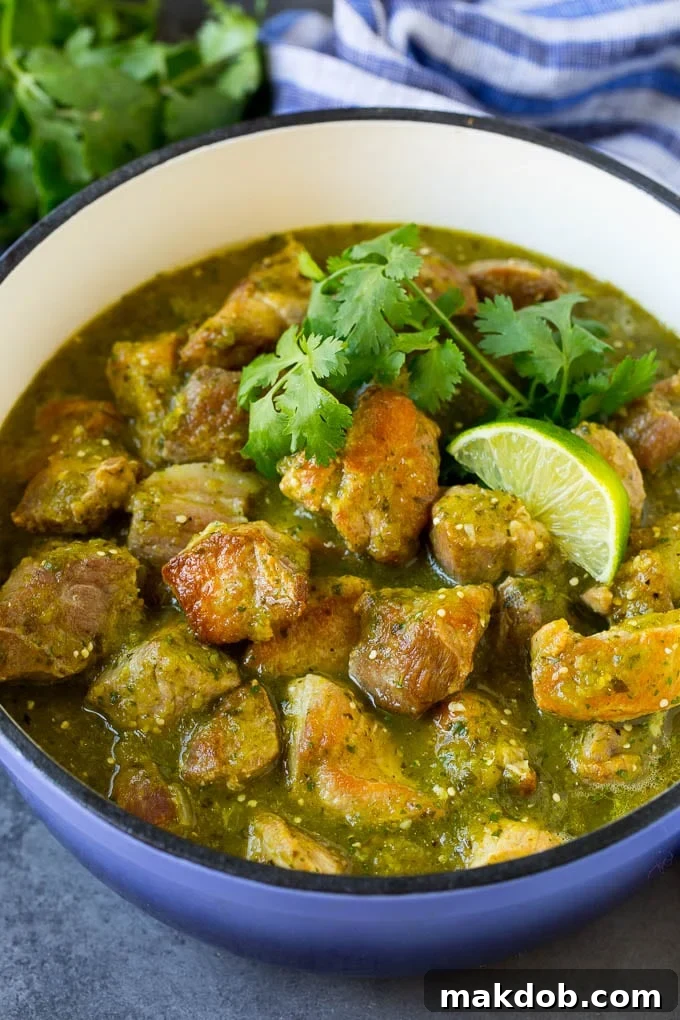
Hearty & Flavorful Pork Chile Verde: Your Ultimate Guide to a Mexican Classic
Experience the rich, vibrant flavors of an authentic Mexican classic with this exquisite Pork Chile Verde recipe. Tender chunks of slow-cooked pork bathe in a luscious green tomatillo and chile sauce, creating a deeply satisfying meal that’s both comforting and packed with zest. Forget bland dinners; this fall-apart tender stew promises a unique and utterly delicious culinary adventure for your family and friends.
There’s nothing quite like gathering your loved ones around a table laden with homemade Mexican food. From savory chicken tacos and rich beef enchiladas to this incredibly flavorful chile verde, bringing these dishes to life in your own kitchen is a true delight. With its vibrant color and profound depth of taste, a perfectly prepared chile verde can transform an ordinary meal into an extraordinary culinary event. Just add your favorite fresh toppings, and you’re set for a hearty, memorable feast that everyone will rave about.
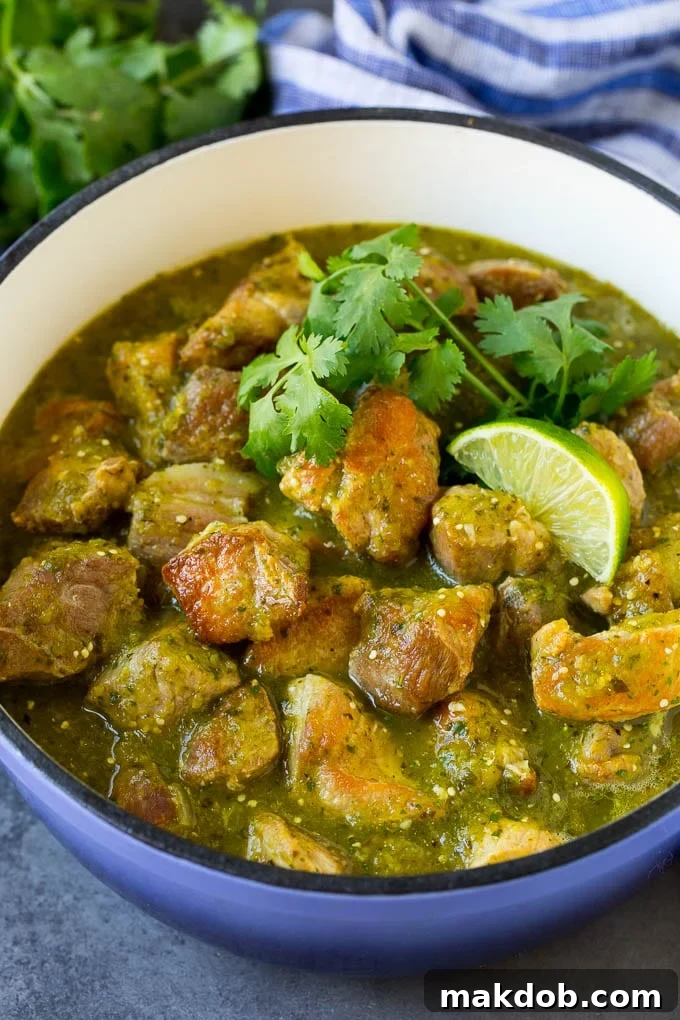
Every trip to a great Mexican restaurant inevitably leads me to one dish: chile verde. That irresistible combination of succulent, melt-in-your-mouth pork immersed in a bright, zesty green sauce is simply unparalleled. While it’s utterly fantastic enjoyed on its own as a hearty stew, its versatility shines when used as a flavorful filling for burritos, tacos, enchiladas, or even served over rice or huevos rancheros. It’s a dish that truly embodies the heart and soul of Mexican home cooking.
What Exactly is Chile Verde? Unpacking a Beloved Mexican Stew
Chile Verde, literally meaning “green chili,” is a profoundly flavorful and robust Mexican stew that has earned its place as a staple in both Mexican and American cuisine. At its core, it features tender chunks of pork, traditionally pork shoulder (also known as “Boston butt”), slow-cooked to perfection in a vibrant, savory green sauce. The magic of this sauce comes from a carefully selected blend of roasted tomatillos and an assortment of chiles, which are combined to create its signature tangy and subtly spicy profile.
The Origins and Evolution of Chile Verde
While various green chile stews exist across Mexico, the specific preparation known as Chile Verde is widely celebrated throughout the country, particularly in central and northern regions. Its popularity has spread extensively into the American Southwest, where it is a cornerstone of New Mexican and Tex-Mex culinary traditions. Historically, slow-cooking techniques were essential for tenderizing tougher cuts of meat, and combining them with locally abundant ingredients like tomatillos and diverse chiles resulted in deeply satisfying and economical meals.
Key Components of the Green Sauce
The distinctive green hue and complex flavor of chile verde come from its primary ingredients:
- Tomatillos: Often mistaken for green tomatoes, tomatillos are actually a fruit with a papery husk and a unique tart, citrusy flavor that forms the backbone of the sauce. Roasting them sweetens their flavor and adds depth.
- Chiles: A mix of fresh green chiles provides the characteristic heat and earthy notes. Common choices include:
- Poblano Peppers: Milder, with a rich, earthy flavor, they add body to the sauce.
- Jalapeño Peppers: Provide a moderate level of heat. For those who prefer more spice, leaving some of the seeds and ribs can significantly increase the capsaicin content.
- Serrano Peppers (optional): For a spicier kick, serranos can be added alongside or in place of some jalapeños.
- Hatch Chiles (regional): In New Mexico, roasted green Hatch chiles are often the star, lending a smoky, distinctive flavor.
- Aromatics: Onions and garlic are sautéed to build a flavorful foundation.
- Herbs & Spices: Cilantro, cumin, and Mexican oregano are essential for that authentic taste, adding warmth and freshness.
The slow simmering process allows the pork to become incredibly tender, practically melting in your mouth, while the flavors of the sauce meld and intensify, resulting in a rich, harmonious stew.
Crafting Homemade Chile Verde: A Step-by-Step Culinary Journey
Creating this remarkable chile verde at home is a rewarding experience, transforming simple ingredients into a dish bursting with flavor. The process, while requiring a bit of time for slow cooking, is straightforward and yields spectacular results. Here’s a general overview of how we bring this savory stew to life:
The Foundation: Perfectly Browned Pork
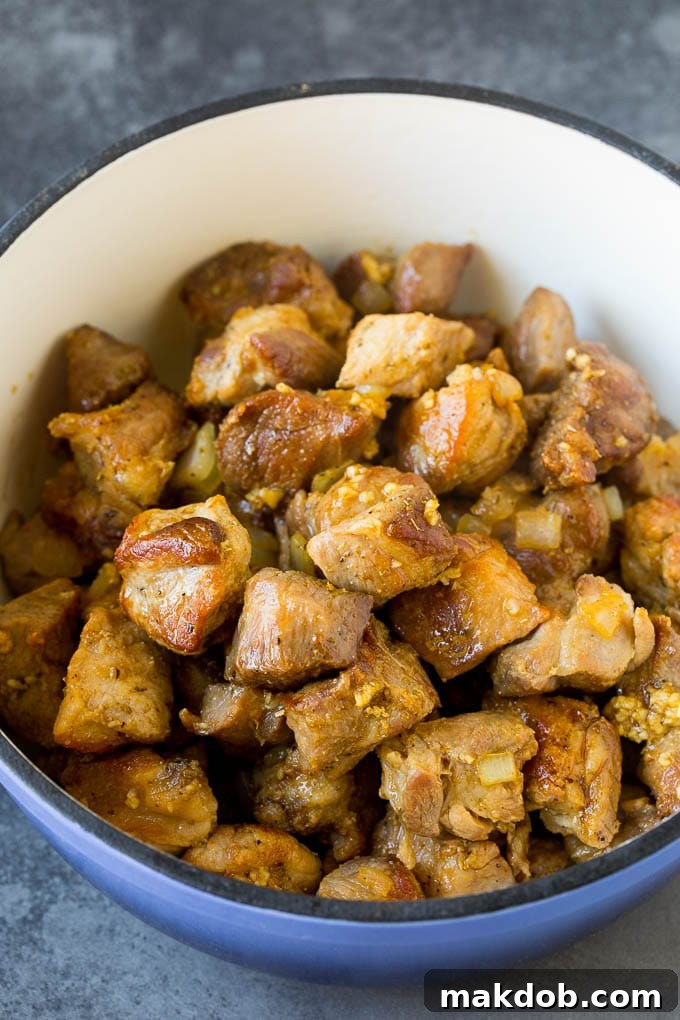
Our journey begins with preparing the pork. Using a well-marbled cut like pork shoulder (often labeled “pork butt”) is crucial for that signature fall-apart tenderness. We cut the pork into uniform chunks, season them generously, and then sear them in a large, oven-safe pot until beautifully golden brown on all sides. This browning step, known as the Maillard reaction, is vital as it develops deep, rich flavors that will permeate the entire stew. Once browned, the pork is set aside.
The Heart of the Dish: The Vibrant Green Sauce
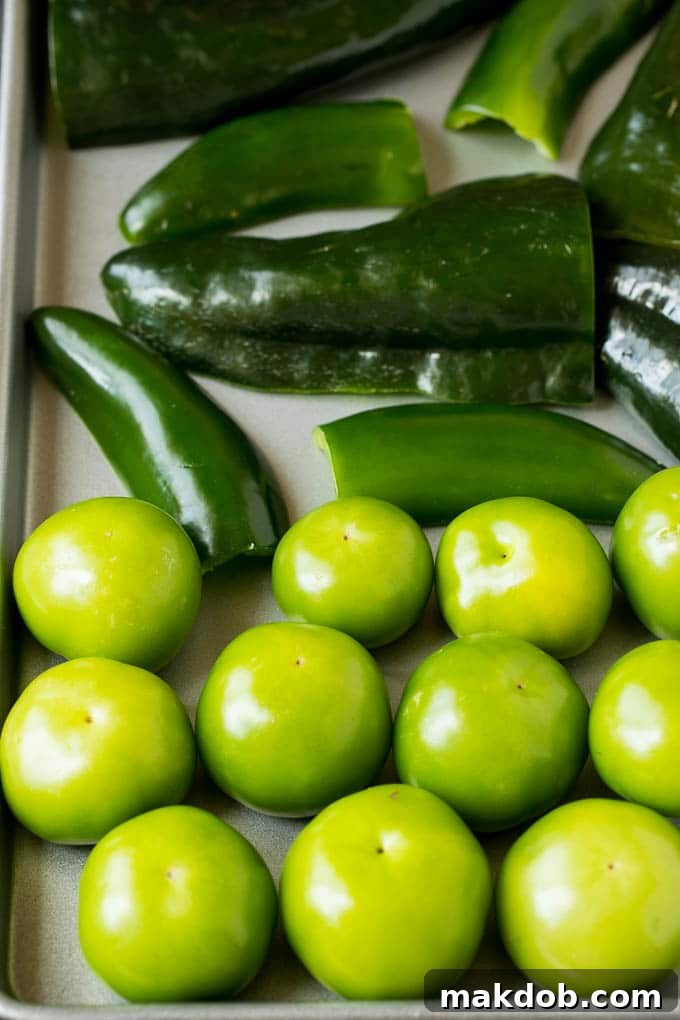
While the pork is browning, we shift our focus to the soul of the chile verde: its distinctive green sauce. This involves roasting the key vegetables – tomatillos, poblano peppers, and jalapeño peppers – until they are tender and slightly charred. Roasting enhances their natural sweetness and adds a smoky depth that can’t be achieved otherwise. After roasting, the peppers are briefly steamed in a sealed bag, making their skins incredibly easy to remove. This step is important for a smooth sauce texture.
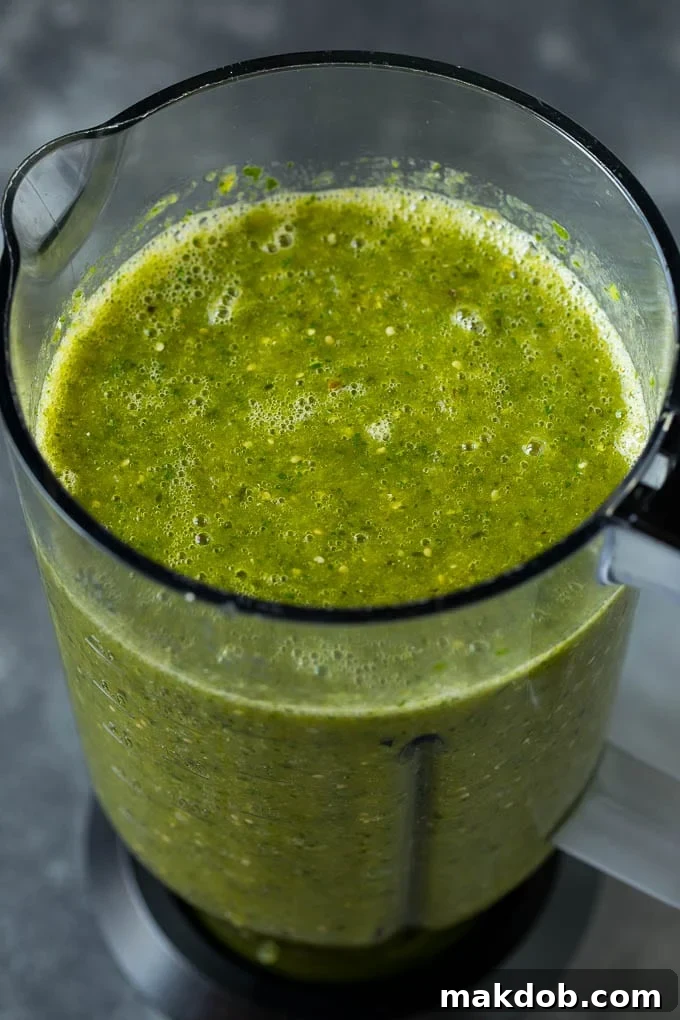
The roasted tomatillos, peeled peppers, fresh cilantro, and chicken broth are then blended into a smooth, vibrant puree. Seasoning with salt and pepper ensures the sauce is balanced and ready to infuse the pork with its bold character.
Bringing It All Together: Slow Simmering to Perfection
With the pork browned and the sauce prepared, the final stage involves combining everything for a slow, gentle simmer. First, aromatic onions are sautéed in the same pot, soaking up all the delicious fond left by the pork, followed by minced garlic, which adds another layer of fragrance. Cumin and dried oregano are stirred in, releasing their warm, earthy aromas.
The browned pork is returned to the pot, and the vibrant green tomatillo-chile sauce is poured over. This mixture is brought to a gentle simmer on the stovetop, then covered tightly and transferred to a preheated oven. The low and slow heat of the oven is key to achieving that coveted fall-apart tenderness in the pork. After 2 to 3 hours of patient cooking, the chile verde emerges, rich, fragrant, and ready to be enjoyed.
A final garnish of fresh cilantro and your choice of toppings completes this incredible Mexican masterpiece, inviting you to serve and savor every spoonful.
Tips for Crafting the Perfect Chile Verde
Achieving a truly exceptional chile verde involves a few key considerations and expert techniques. Follow these tips to ensure your homemade stew is as delicious and authentic as possible:
- Choose the Right Pork Cut: For fork-tender results, opt for cuts of pork that are well-marbled with fat. Pork shoulder (often sold as “Boston butt”) or boneless pork country ribs are excellent choices. The fat renders down during the slow cooking, keeping the meat moist and adding immense flavor. Avoid lean cuts, as they can become dry.
- Don’t Skip the Browning: Searing the pork cubes until they’re golden brown isn’t just for aesthetics. This crucial step creates a flavorful crust through the Maillard reaction, developing complex savory notes that will enhance the entire stew. Brown the pork in batches to avoid overcrowding the pan, which can steam the meat instead of searing it.
- Make the Green Sauce Ahead: The vibrant tomatillo and chile sauce can be prepared up to two days in advance and stored in the refrigerator. This is a fantastic time-saver for busy weeknights. You can even double the batch and freeze a portion of the sauce for future chile verde cravings.
- Customize the Heat Level: This recipe is designed for a mild to medium spice profile. If you’re a heat enthusiast, you can easily amplify the spiciness. To do so, leave some or all of the seeds and ribs in the jalapeño peppers (and other chiles if you’re using hotter varieties like serranos). The majority of the capsaicin, which causes the heat, resides in these parts of the pepper. Always taste a small bit of your chiles to gauge their potency before adding them to the sauce.
- Patience with Roasting Peppers: When broiling your tomatillos and chiles, don’t rush the process. Allowing them to get a good char and become soft is essential for developing their full flavor and for making the pepper skins easy to peel. The slightly smoky flavor from the char adds depth to the sauce.
- Taste and Adjust: Before serving, always taste your chile verde and adjust the seasoning as needed. You might want a little more salt, pepper, or even a squeeze of fresh lime juice to brighten the flavors. The flavors will have deepened significantly during the long cooking process.
- Consistency Check: If your stew is too thick, you can thin it out with a bit more chicken broth or water. If it’s too thin, you can simmer it uncovered on the stovetop for a short period to allow some of the liquid to evaporate, thickening the sauce.
Endless Possibilities: Flavor Variations & Serving Suggestions
While this chile verde is undeniably delicious as written, it also serves as a fantastic base for customization. Feel free to experiment with different ingredients and serving styles to tailor it to your personal preferences and create new culinary experiences.
Creative Topping Ideas
A great chile verde is often made even better with an assortment of fresh, vibrant toppings. Offer a selection at the table, allowing everyone to customize their bowl:
- Cool & Creamy: A dollop of sour cream, Mexican crema, or plain Greek yogurt adds a delightful creamy contrast to the zesty sauce.
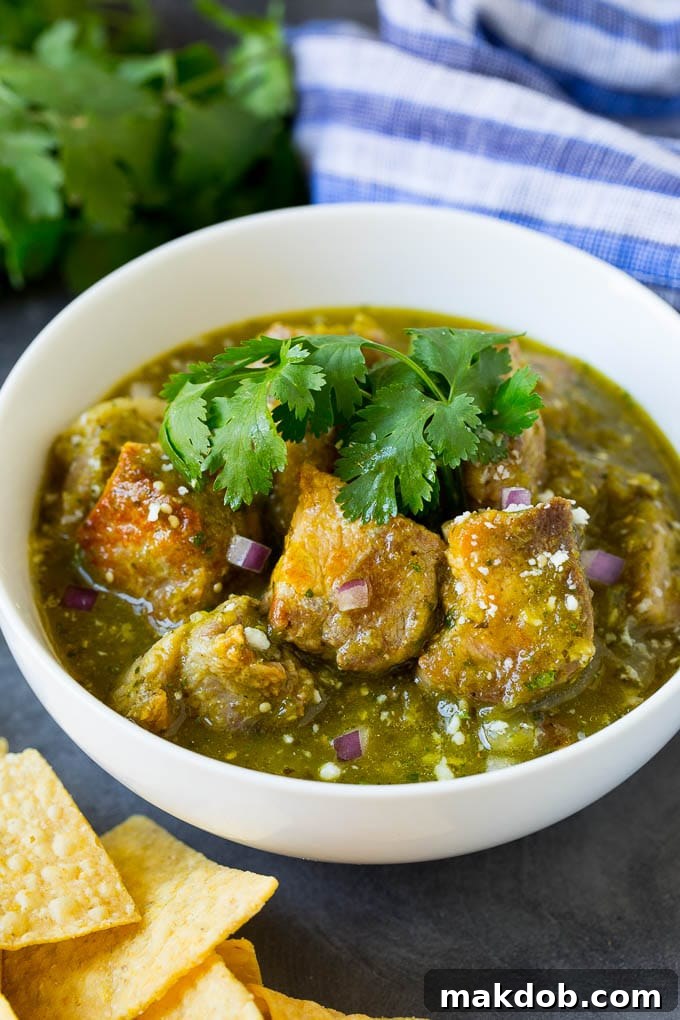
- Fresh & Bright: Chopped fresh cilantro, thinly sliced radishes, diced avocado, or a generous squeeze of fresh lime juice will brighten every bite.
- Crunch & Texture: Crispy tortilla strips, crushed tortilla chips, or crumbled cotija cheese provide a welcome textural element.
- Added Spice: A sprinkle of pickled jalapeños or a dash of your favorite hot sauce can enhance the heat.
- Onion Power: Finely diced red onion or quick-pickled red onions add a sharp, tangy bite.
Boost with Veggies
You can easily turn this hearty stew into an even more vegetable-packed meal. Consider adding some of these towards the end of the cooking process so they don’t turn mushy:
- Hearty Options: Cubed potatoes or carrots can be added during the last hour of simmering.
- Lighter Additions: Sliced zucchini, bell peppers, or corn kernels can be stirred in during the final 30 minutes of cooking.
- Leafy Greens: A handful of fresh spinach or kale wilts beautifully into the warm stew just before serving.
Protein Alternatives
While pork is the traditional star of chile verde, you can certainly adapt the recipe using other proteins if you prefer:
- Beef: Use beef stew meat (such as chuck roast) cut into cubes. The cooking time will be similar to pork.
- Chicken: Diced boneless, skinless chicken thighs are an excellent choice, offering rich flavor and tenderness. Chicken breasts can also work, but thighs tend to hold up better to slow cooking without drying out. Adjust cooking time for chicken, which will be shorter (around 1.5-2 hours).
- Vegetarian (Adaptation): For a vegetarian version, you can omit the meat entirely and increase the amount of vegetables like potatoes, sweet potatoes, black beans, or mushrooms. Ensure you use vegetable broth instead of chicken broth.
Versatile Serving Ideas
Chile Verde is incredibly versatile and can be served in many delicious ways:
- Classic Bowl: Enjoy it simply in a bowl, perhaps with a side of warm tortillas or crusty bread for dipping.
- Tacos & Burritos: Spoon the stew into warm corn or flour tortillas for incredible tacos, or wrap it up in larger tortillas for satisfying burritos.
- Enchiladas: Roll the chile verde inside tortillas, top with more sauce and cheese, then bake for delicious green enchiladas.
- Over Rice: Serve it generously over fluffy white rice or Mexican rice for a complete meal.
- Nachos & Quesadillas: Use leftovers to top nachos or as a savory filling for quesadillas.
- Breakfast Twist: Serve it alongside or over scrambled eggs for a hearty and flavorful breakfast.
Storage, Freezing, and Reheating
One of the best qualities of chile verde is how well it stores and reheats, making it an excellent candidate for meal prep or feeding a crowd. Its flavors often deepen and improve overnight!
- Refrigeration: Leftover pork stew will stay fresh and delicious in an airtight container in the refrigerator for up to 4 days.
- Freezing: Chile verde freezes beautifully. Once completely cooled, transfer it to freezer-safe containers or heavy-duty freezer bags. It can be frozen for up to 2 months. Thaw overnight in the refrigerator before reheating.
- Reheating: Gently reheat chile verde on the stovetop over medium-low heat, stirring occasionally, until it’s heated through. You may need to add a splash of chicken broth or water to achieve the desired consistency, as it can thicken in the refrigerator. It can also be reheated in the microwave in individual portions.
Discover More Irresistible Mexican Recipes!
If you loved this Chile Verde, you’ll surely enjoy exploring other authentic Mexican flavors in your kitchen:
- Pork Tacos
- Mexican Salad
- Chicken Fajitas
- Tacos Al Pastor
- Bean Dip
Watch How to Make Chile Verde
Chile Verde Recipe
Pin Recipe
This chile verde features succulent chunks of pork slow-cooked in a vibrant green tomatillo and chile sauce until exceptionally tender. A beloved Mexican classic, it’s bursting with flavor and serves as a hearty, unique meal for any occasion.
Ingredients
For the pork
- 1 tablespoon vegetable oil
- 3 pounds pork shoulder, cut into 1 inch pieces
- Salt and pepper to taste
- 1 onion, peeled and diced
- 1 tablespoon minced garlic
- 1 1/2 teaspoons ground cumin
- 1 teaspoon dried oregano (Mexican oregano if possible)
For the sauce
- 1 1/2 pounds tomatillos, husks removed
- 4 poblano peppers, cored and halved lengthwise, seeds and ribs removed
- 2 jalapeno peppers, cored and halved lengthwise, seeds and ribs removed
- 1 cup cilantro leaves
- 1 teaspoon salt
- 1/4 teaspoon pepper
- 2 cups chicken broth
- Cooking spray
- Toppings for serving such as sour cream, cilantro, and tortilla strips
Instructions
For the pork
- Heat the vegetable oil in a large, oven-safe pot or Dutch oven over medium heat.
- Season the pork pieces generously with salt and pepper.
- Working in batches, place half of the pork in the hot pot. Cook for 3-4 minutes on each side until beautifully browned.
- Remove the browned pork from the pot and set aside. Repeat the browning process with the remaining pork.
- Return all the browned pork back to the pot. Discard any excess fat, leaving approximately 1 tablespoon of fat in the pan.
- Add the diced onion to the pan and cook for 4-5 minutes, stirring occasionally, until softened and translucent. Add the minced garlic and cook for an additional 30 seconds until fragrant. Season the vegetables lightly with salt and pepper.
- Stir in the ground cumin and dried oregano, cooking for another minute until aromatic.
For the sauce
- Preheat your broiler. Lightly coat a large sheet pan with cooking spray.
- Arrange the whole tomatillos, poblano pepper halves, and jalapeño pepper halves on the prepared sheet pan.
- Broil the vegetables for 5-7 minutes, turning once, until they are tender, softened, and slightly charred in spots.
- Carefully transfer the broiled peppers (poblanos and jalapeños) into a plastic bag or a bowl covered tightly with plastic wrap. Seal the bag or cover the bowl and let the peppers sit for 4-5 minutes. This steaming process helps loosen the skins, making them much easier to remove.
- Once cooled slightly, take the peppers out of the bag and gently peel off their charred skins.
- Place the roasted tomatillos, peeled peppers, fresh cilantro, salt, pepper, and chicken broth into a blender. Blend until the mixture is completely smooth and vibrant green.
For the stew
- Preheat your oven to 325 degrees F (160 degrees C).
- Pour the blended green sauce into the pot with the browned pork and sautéed onions and spices. Stir well to combine all ingredients.
- Bring the stew to a gentle simmer over medium heat on the stovetop.
- Once simmering, cover the pot tightly with a lid and carefully transfer it to the preheated oven.
- Bake for 2 1/2 to 3 hours, or until the pork is incredibly tender and easily pulls apart with a fork.
- Ladle the hearty chile verde into bowls. Add your desired toppings such as sour cream, fresh cilantro, and crispy tortilla strips, then serve immediately and enjoy!
Notes
For a spicier dish, consider leaving some of the ribs and seeds in the jalapeño peppers before blending the sauce. The majority of the heat is concentrated in these parts of the pepper.
Nutrition
Calories: 221kcal | Carbohydrates: 10g | Protein: 22g | Fat: 10g | Saturated Fat: 4g | Cholesterol: 70mg | Sodium: 590mg | Potassium: 779mg | Fiber: 3g | Sugar: 6g | Vitamin A: 490IU | Vitamin C: 69mg | Calcium: 40mg | Iron: 2mg
Did you make this incredible Chile Verde recipe?
We’d love to see your culinary creations! Tag @dinneratthezoo on Instagram and use the hashtag #dinneratthezoo to share your masterpiece with our community.
Tweet This Recipe
Pin This Recipe