
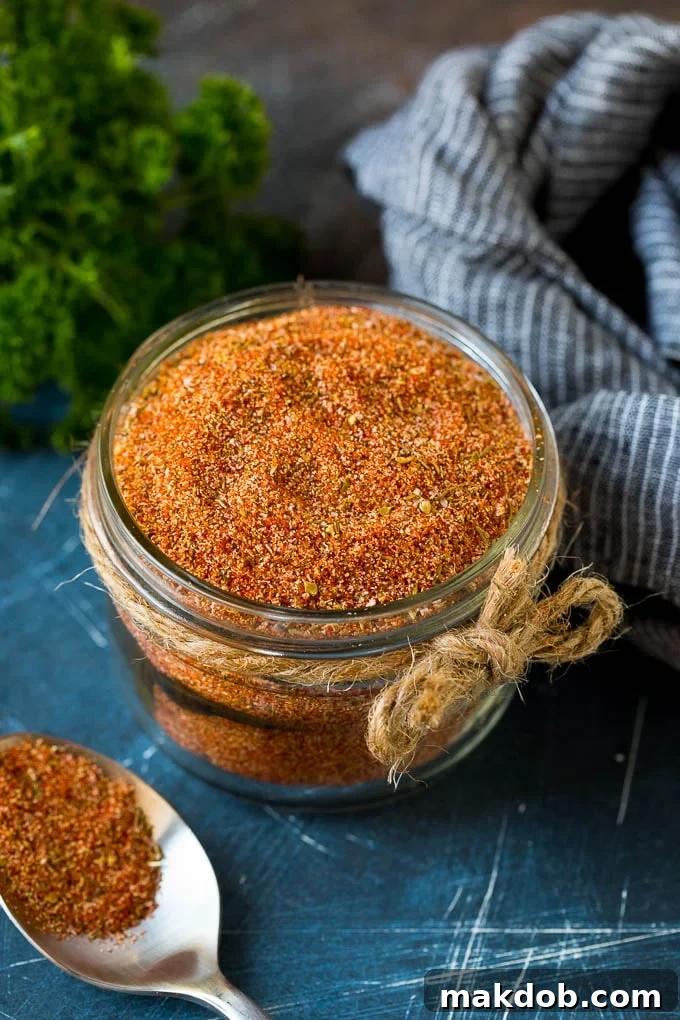
Homemade Cajun Seasoning: Your Ultimate Guide to Authentic Zesty Flavor
Discover the secret to vibrant, homemade Cajun seasoning! This robust blend of aromatic herbs and bold spices is your passport to infusing a world of rich, zesty flavor into countless dishes. Forget store-bought mixes laden with unwanted additives; our simple recipe guarantees a fresh, customizable, and incredibly delicious spice blend that will elevate your cooking for months to come. Perfect for seasoning seafood, chicken, soups, vegetables, and much more, this essential mix is about to become a staple in your pantry.
Creating your own spice blends and sauces is a culinary game-changer, adding an unparalleled depth of flavor to every meal. Just as I love preparing my own BBQ spice rub, BBQ sauce, and Jamaican jerk seasoning, crafting this savory and zesty Cajun seasoning at home has become an indispensable part of my kitchen routine. It’s a simple step that yields extraordinary results, making everyday meals feel like a special occasion.
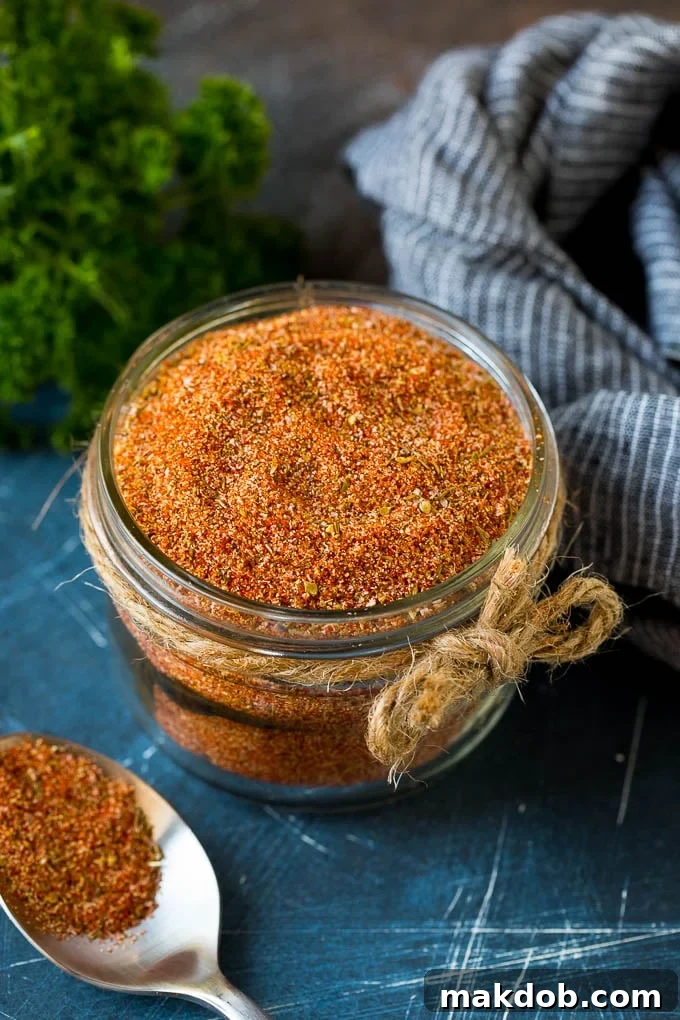
Why Choose Homemade Cajun Seasoning?
The allure of homemade spice mixes lies in their unmatched freshness, purity, and the ability to tailor them precisely to your taste. Store-bought blends often contain hidden sugars, excessive sodium, and preservatives that detract from the natural flavors of the spices. By making your own Cajun seasoning, you gain complete control over every ingredient. You can adjust the salt level to suit your dietary needs, temper the heat to your preference, and ensure that only the highest quality, freshest spices make it into your blend. The process itself is surprisingly quick, typically taking only minutes to assemble, yet the flavor impact is truly superior to anything you’ll find on a grocery store shelf. It’s a simple act of culinary empowerment that promises more authentic and vibrant results.
The Heart of Cajun Flavor: What is Cajun Spice Made Of?
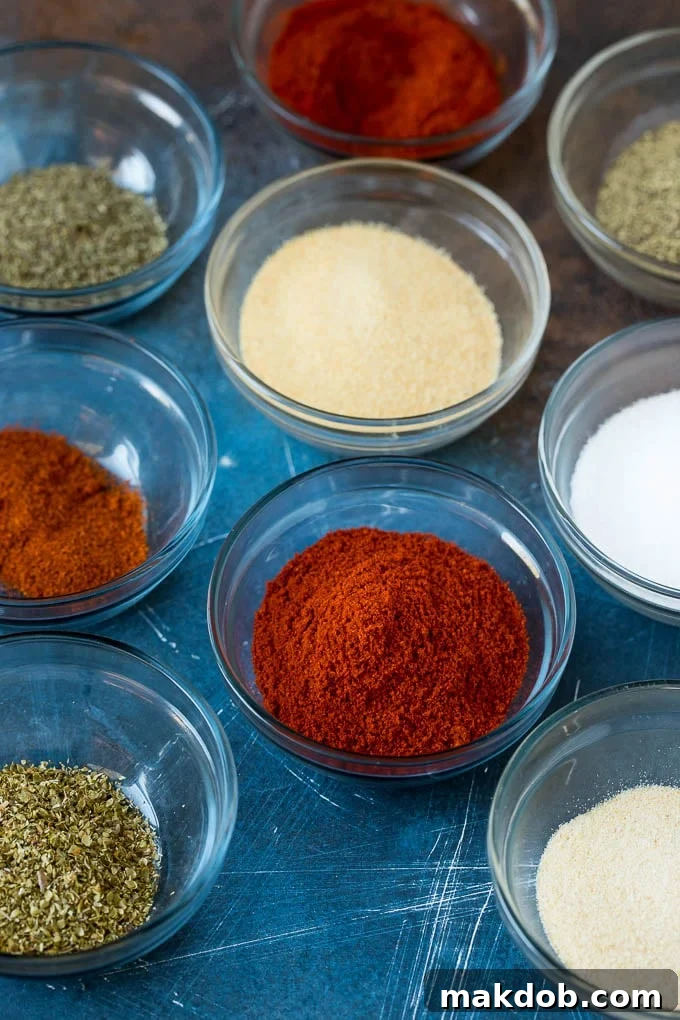
At its core, authentic Cajun spice is a celebration of bold, earthy, and pungent flavors, harmoniously balanced with a touch of heat. The foundational elements typically include granulated garlic, onion powder, salt, black pepper, and a mix of dried herbs. My carefully developed recipe builds upon these classic components, enhancing them for maximum flavor impact. Here’s a closer look at the stars of this blend:
- Sweet Paprika: Often simply labeled “paprika,” this vibrant red spice provides a mild, sweet earthiness and beautiful color without the intense heat. It forms a crucial part of the seasoning’s base.
- Smoked Paprika: This is where a unique depth of flavor comes in. Smoked paprika, made from pimientos dried over an oak fire, imparts a rich, smoky aroma that is irreplaceable. Using both sweet and smoked varieties creates a complex, multi-layered paprika profile.
- Garlic Powder & Onion Powder: These two are non-negotiable in Cajun cooking. They provide a fundamental savory base, contributing a deep, pungent flavor that is characteristic of the cuisine. Unlike fresh garlic and onion, their powdered forms distribute evenly throughout the blend, ensuring consistent flavor in every pinch.
- Kosher Salt: Salt is essential for drawing out and enhancing the flavors of all the other spices. Kosher salt is preferred for its coarser texture, which makes it easier to measure and distribute evenly.
- Freshly Ground Black Pepper: While pre-ground black pepper works, freshly ground pepper offers a brighter, more pungent aroma and a subtle heat that significantly uplifts the overall flavor profile.
- Dried Oregano: This Mediterranean herb adds a robust, slightly bitter, and aromatic note. For an authentic flavor, Mediterranean oregano is often preferred over Mexican oregano, though both will contribute to the blend.
- Dried Thyme Leaves: Thyme introduces a delicate, earthy, and slightly minty warmth, complementing the stronger flavors of the other spices and adding a touch of herbaceous elegance.
- Cayenne Pepper: The primary source of heat in Cajun seasoning. Cayenne pepper provides that signature fiery kick. The amount can be easily adjusted to match your personal heat tolerance, from a gentle warmth to a bold, spicy punch.
Together, these ingredients create a symphony of flavors that is truly irresistible and distinctly Cajun.
Crafting Your Signature Blend: How to Make Cajun Seasoning
Making your own Cajun seasoning is incredibly straightforward, requiring just a few minutes of your time for a reward that lasts for months. Here’s how you can create this essential spice blend:
- Gather Your Ingredients: Ensure you have all the spices listed in the recipe section below.
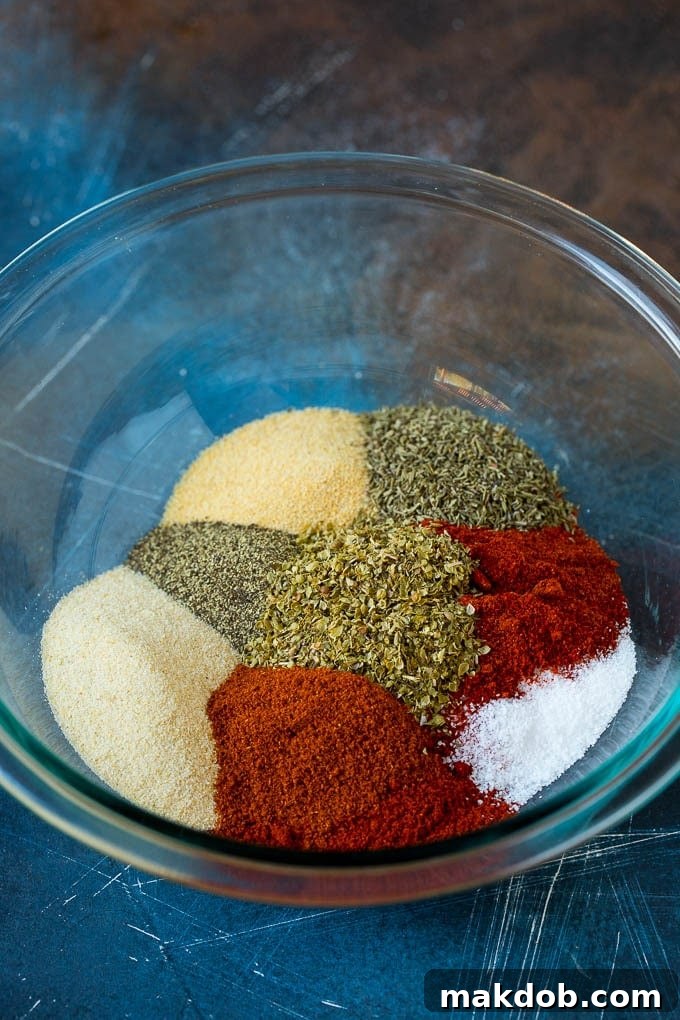
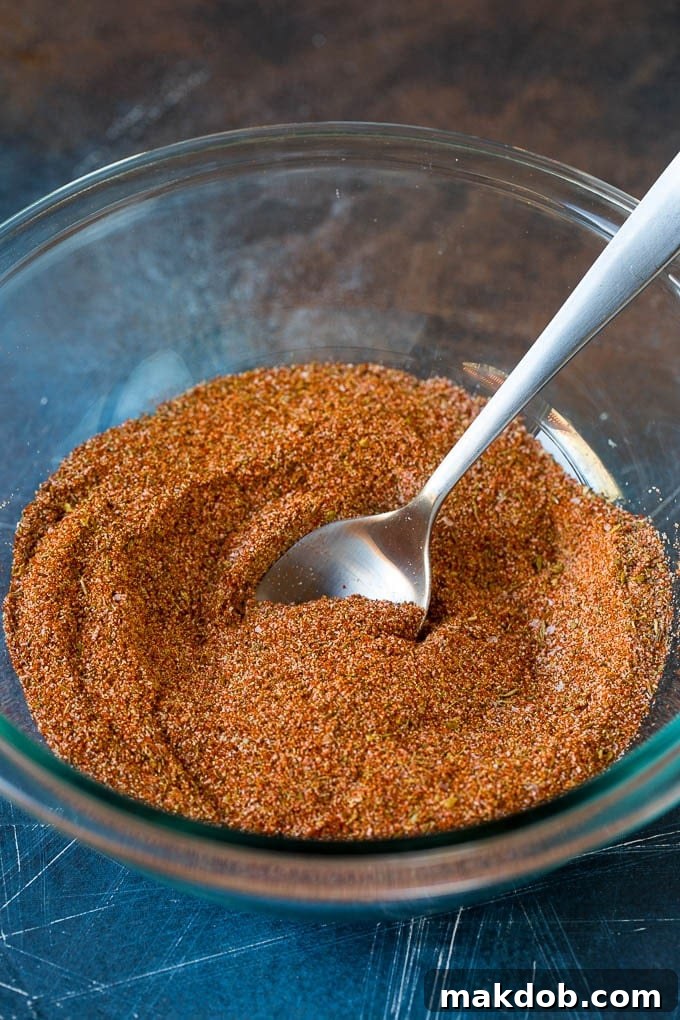
- Combine: In a medium-sized bowl, carefully measure and place the kosher salt, sweet paprika, smoked paprika, garlic powder, black pepper, onion powder, dried oregano, dried thyme leaves, and cayenne pepper.
- Mix Thoroughly: Using a spoon or a whisk, stir all the ingredients together until they are completely and uniformly blended. It’s crucial that no clumps remain and that each spice is evenly distributed throughout the mixture. This ensures a consistent flavor profile with every use.
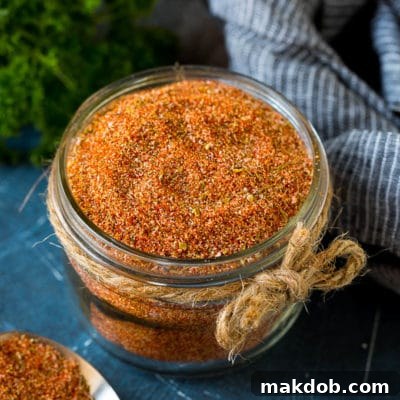
- Store: Once mixed, your homemade Cajun seasoning is ready to use immediately. For storage, transfer the blend into an airtight jar or container. A cool, dark pantry is the ideal spot to keep your seasoning fresh for up to 6 months.
That’s it! In less than 5 minutes of active prep time, you’ve created a flavorful, versatile seasoning that will bring the vibrant tastes of Louisiana to your kitchen.
Tips for Crafting the Perfect Spice Blend
Achieving the perfect Cajun seasoning blend is simple, especially with a few expert tips:
- Batching for Convenience: I highly recommend making a double or even triple batch of this Cajun seasoning. Having a ready supply on hand makes weeknight cooking effortless and ensures you’re always prepared to add a burst of flavor. Simply store the larger batch in a cool, dark place in an airtight container.
- The Paprika Duo: The combination of both sweet and smoked paprika is truly key. Sweet paprika provides a vibrant color and mild, earthy base, while smoked paprika (Pimentón de la Vera) infuses a deep, complex, and irresistible smoky aroma. Both varieties are widely available in the spice aisle of most grocery stores and are worth seeking out.
- Choosing Your Oregano: You’ll typically find two main types of dried oregano: Mexican and Mediterranean. For this specific Cajun blend, Mediterranean oregano is preferred for its slightly sweeter, more balanced flavor profile, which harmonizes beautifully with the other spices. However, if Mexican oregano is all you have, it will still work, lending a more pungent, earthy note.
- Freshly Ground Black Pepper: For the most vibrant and aromatic flavor, opt for freshly ground black pepper. Grinding whole peppercorns just before mixing releases potent essential oils that elevate the overall taste of your seasoning.
- Mind the Salt: This seasoning mix already contains a significant amount of salt. When you’re cooking with it, remember to adjust or omit any additional salt you would normally add to your protein or vegetables. Taste as you go to avoid over-salting your dish.
- Customize the Heat: The amount of cayenne pepper in the recipe is designed to produce a Cajun seasoning with a moderate, pleasant heat level. If you prefer a milder blend, feel free to reduce the cayenne or omit it entirely. For those who crave more fire, gradually increase the amount of cayenne pepper until you reach your desired level of spice. A good way to test is to mix a tiny pinch with a bit of olive oil and taste.
- Quality of Spices: Always start with fresh, high-quality spices. Spices lose their potency over time, so if your spices have been sitting in your pantry for years, they may not deliver the full flavor. Replacing older spices can make a significant difference in the vibrancy of your homemade blend.
By following these tips, you’ll consistently create a Cajun seasoning that’s bursting with fresh, authentic flavor.
Beyond the Bayou: Versatile Uses for Your Cajun Seasoning
While synonymous with classic Southern Louisiana cuisine, homemade Cajun seasoning is incredibly versatile and can be used to add a vibrant kick to almost any dish. Don’t limit it to just Cajun food – let its zesty, spicy, and earthy notes transform your everyday meals!
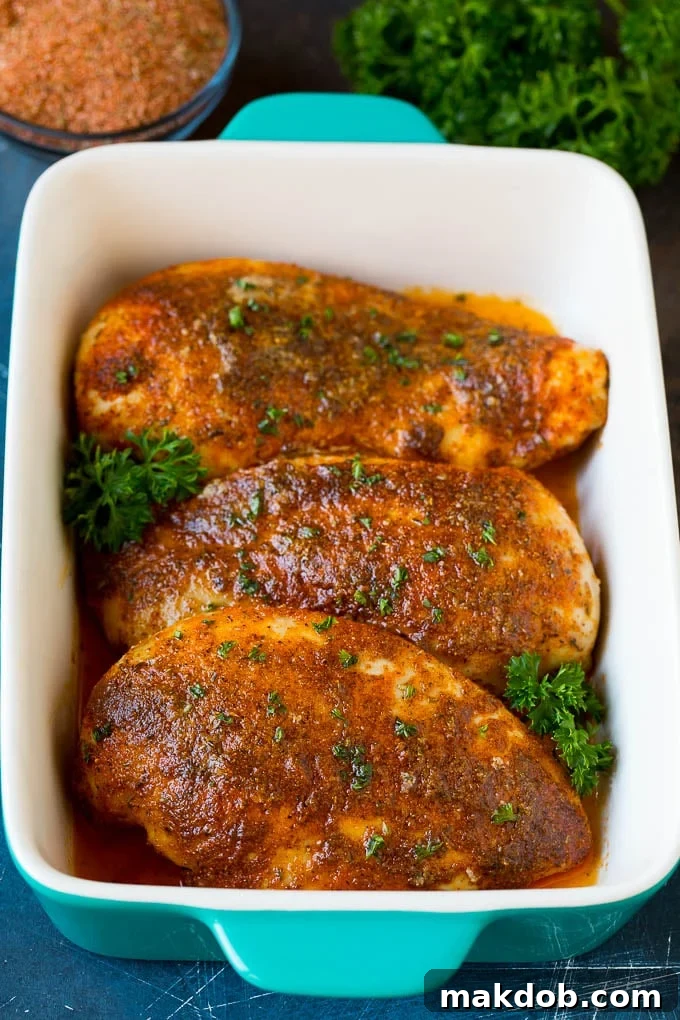
- Proteins: Sprinkle generously over chicken, fish (like cod, tilapia, or salmon), shrimp, scallops, pork chops, or steak before grilling, baking, pan-searing, or roasting. It creates a fantastic crust and infuses deep flavor.
- Chicken: For baked or grilled chicken breasts, thighs, or wings, coat liberally with Cajun seasoning and a touch of olive oil.
- Seafood: Toss shrimp with olive oil and Cajun seasoning, then quickly sauté or grill for a spicy appetizer or main dish.
- Steak: For a flavor-packed steak, mix together 2 tablespoons of softened butter with 1 teaspoon chopped fresh parsley and 3/4 teaspoon of Cajun seasoning. Place a dollop of this seasoned butter on a hot, freshly cooked steak to melt and create a luxurious, spicy finish.
- Vegetables: Transform ordinary vegetables into exciting side dishes.
- Roasted Potatoes: Cut Russet or Yukon Gold potatoes into wedges. Toss them with 1/4 cup olive oil and 2-3 teaspoons of Cajun seasoning. Spread on a greased sheet pan and bake at 425°F (220°C) for 40 minutes, or until golden brown and crispy, flipping halfway.
- Roasted Veggies: Toss broccoli florets, cauliflower, bell peppers, zucchini, or asparagus with 2 tablespoons of olive oil and 1-2 teaspoons of Cajun spice. Roast at 425°F (220°C) for 20-25 minutes, or until tender-crisp and lightly browned.
- Soups & Stews: Stir a teaspoon or two into your favorite soups, chili, or stews for an instant flavor boost. It’s particularly fantastic in lentil soup, chicken noodle soup, or a hearty vegetable stew.
- Marinades & Rubs: Create dynamic marinades or dry rubs.
- Versatile Marinade: Whisk together 2-3 teaspoons of your Cajun seasoning blend with 1/2 cup olive oil, 1/4 cup lemon juice, 2 teaspoons minced garlic, 2 tablespoons of soy sauce, and 1 tablespoon of Worcestershire sauce. This marinade works wonders with chicken, steak, and shrimp. Allow proteins to marinate for at least 30 minutes, or up to 4 hours for deeper flavor.
- Pasta Dishes: Infuse your pasta sauces with a zesty kick.
- Zesty Alfredo: Add 1 teaspoon of Cajun seasoning to your homemade or store-bought Alfredo sauce for an exciting, spicy twist. It’s also phenomenal in creamy tomato sauces.
- Dips & Spreads: Mix a pinch into hummus, mayonnaise, sour cream, or cream cheese to create flavorful dips for crackers, chips, or vegetables. It’s also excellent in homemade salad dressings.
- Snacks: Sprinkle over popcorn, roasted nuts, or homemade kale chips for a savory, spicy snack.
Once you have this incredible seasoning blend readily available, you’ll find countless ways to incorporate it into your cooking, adding a delicious, Southern-inspired flair to almost anything!
Storage and Shelf Life
To maintain the potency and vibrant flavor of your homemade Cajun seasoning, proper storage is crucial. Always store your blend in an airtight container, such as a glass jar with a tight-fitting lid, in a cool, dark place away from direct sunlight and heat. A pantry or cupboard is ideal, as exposure to light and heat can quickly degrade the spices. When stored correctly, this homemade Cajun seasoning will retain its peak flavor for up to 6 months. While it may still be safe to use beyond this period, its aromatic qualities and flavor intensity will diminish over time. To check if your seasoning is still fresh, simply give it a sniff – if the aroma is faint, it’s probably time to mix a new batch.
Frequently Asked Questions About Cajun Seasoning
Is Cajun seasoning generally spicy?
Yes, Cajun seasoning is known for its distinct heat, primarily from cayenne pepper. However, the level of spiciness can vary significantly depending on the recipe. Our homemade blend offers a moderate kick that can be easily adjusted by increasing or decreasing the amount of cayenne pepper to suit your preference.
What is the difference between Cajun and Creole seasoning?
While often used interchangeably and sharing many common ingredients, Cajun and Creole seasonings have subtle differences rooted in their respective culinary traditions. Cajun cuisine, from rural Louisiana, tends to be more rustic and features a “holy trinity” of onion, celery, and bell pepper, relying heavily on dried spices like those in our blend. Creole cuisine, originating in urban New Orleans, is often considered more refined, incorporating French, Spanish, African, and Caribbean influences. Creole seasoning often includes a wider array of herbs, sometimes bay leaf, and frequently more fresh ingredients. Our blend leans into the classic, robust dry spice profile of traditional Cajun seasoning.
Can I make this seasoning salt-free?
Absolutely! If you’re managing sodium intake, you can easily omit the kosher salt from this recipe. You’ll still achieve a wonderfully flavorful blend, but remember to add salt to your dishes separately while cooking, tasting as you go to reach your desired seasoning level. This gives you ultimate control over sodium content.
Can I use fresh herbs instead of dried ones?
For a dry spice blend like Cajun seasoning, dried herbs are generally preferred. Dried herbs have a concentrated flavor and will integrate better into a powdered mix, allowing for even distribution and a longer shelf life. Fresh herbs contain moisture, which would lead to clumping and spoilage of the seasoning blend. Save your fresh herbs for garnishing or adding towards the end of cooking a dish!
How much seasoning should I use per pound of meat or vegetables?
As a general guideline, start with about 1 tablespoon of Cajun seasoning per pound of meat (chicken, fish, shrimp) or per 2-3 cups of chopped vegetables. For larger cuts of meat or more intensely flavored dishes, you might use up to 2 tablespoons. Always remember to taste as you cook and adjust according to your personal preference, keeping in mind that this blend already contains salt.
Cajun-Style Recipes to Ignite Your Palate
Once you’ve experienced the magic of this homemade seasoning, you’ll be eager to try it in various dishes. Here are some fantastic Cajun-inspired recipes where this blend truly shines:
- Spicy Shrimp Dip
- Cajun Shrimp Pasta
- Jambalaya Pasta
- Shrimp and Sausage Pasta
- Cajun Chicken Pasta
Cajun Seasoning
Sara Welch
5
1
6
Ingredients
- 2 tablespoons sweet paprika (sometimes just labeled as “paprika”, you want to avoid the hot variety)
- 1 tablespoon smoked paprika
- 2 tablespoons kosher salt
- 1 1/2 tablespoons garlic powder
- 1 tablespoon onion powder
- 1 tablespoon ground black pepper (freshly ground is best)
- 2 teaspoons dried oregano
- 1 teaspoon dried thyme leaves
- 1 teaspoon cayenne pepper
Instructions
-
Place the sweet paprika, smoked paprika, salt, garlic powder, onion powder, black pepper, oregano, thyme and cayenne pepper in a bowl.
-
Stir to combine. Use immediately or store in an airtight container for up to 6 months.
Nutrition
Calories: 18kcal
|
Carbohydrates: 4g
|
Protein: 1g
|
Fat: 1g
|
Saturated Fat: 1g
|
Sodium: 1748mg
|
Potassium: 101mg
|
Fiber: 1g
|
Sugar: 1g
|
Vitamin A: 1397IU
|
Vitamin C: 1mg
|
Calcium: 13mg
|
Iron: 1mg