
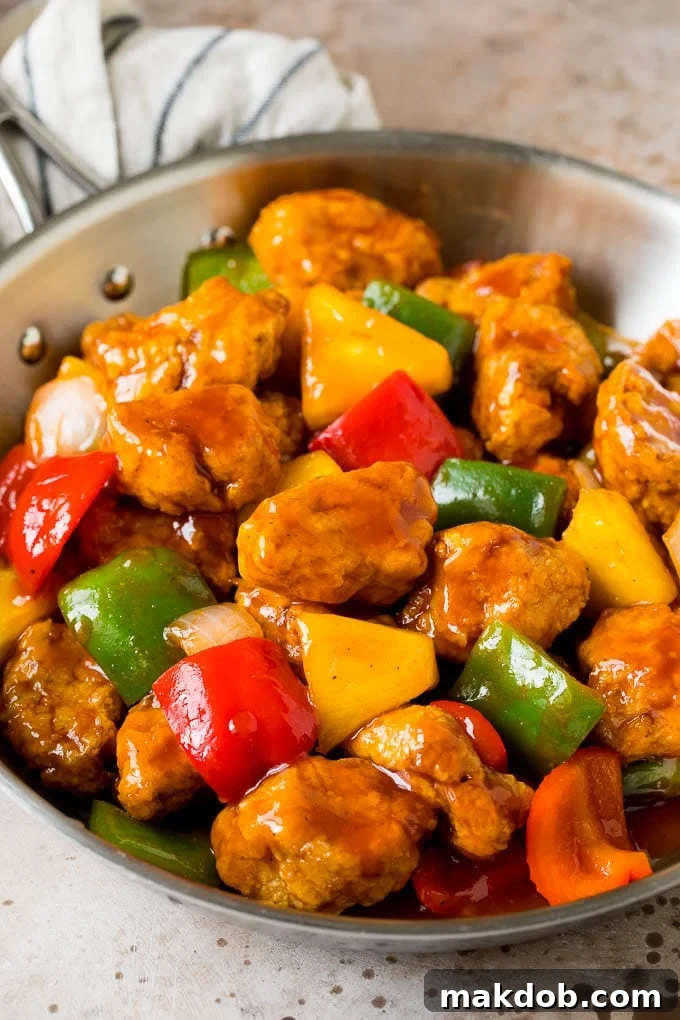
Embark on a culinary journey to create the most authentic and utterly delicious Sweet and Sour Pork right in your own kitchen! Forget waiting for takeout; this homemade rendition features succulent chunks of pork tenderloin, perfectly breaded and fried to a golden crisp, then enveloped in a vibrant, homemade sweet and sour sauce alongside fresh pineapple and colorful vegetables. It’s a classic Chinese stir-fry experience that promises to be even more satisfying and flavorful than anything you’d find at a restaurant.
There’s an undeniable joy in mastering your family’s favorite Chinese dishes at home. Beyond this incredible sweet and sour pork, our repertoire includes beloved recipes like Szechuan Chicken and Beef and Broccoli Stir Fry, allowing you to bring the authentic flavors of Asian cuisine to your dinner table with confidence and ease.
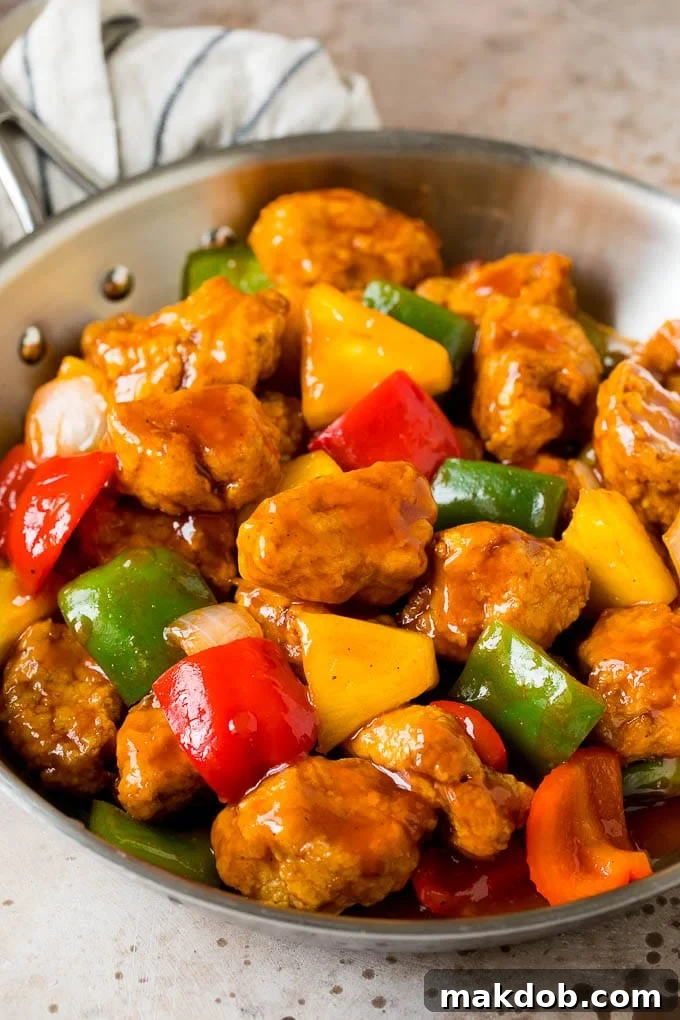
The allure of sweet and sour pork is universal. That irresistible combination of tender, crispy meat coated in a perfectly balanced sweet and savory sauce is a culinary triumph. For years, it was my go-to order at any local Chinese restaurant. However, I discovered the surprising simplicity and immense reward of making this iconic dish from scratch. The freshness of ingredients and the control over flavor profiles truly elevate it to a new level.
Planning a grand Chinese dinner party or simply seeking to complement this crispy pork delight? Consider pairing it with some truly satisfying sides such as Pork Fried Rice, a unique Spam Fried Rice, or classic Sesame Noodles. The versatility of sweet and sour pork makes it a star alongside a variety of Asian-inspired accompaniments.
Table of Contents
- What Makes Sweet and Sour Pork So Special?
- Essential Ingredients for Sweet and Sour Pork
- Step-by-Step: How to Make Sweet and Sour Pork
- Pro Tips for the Perfect Crispy Pork
- Quick Frying Oil Temperature Tip
- Sweet and Sour Pork FAQs
- Flavor Variations and Customizations
- More Asian Food Favorites
- Sweet and Sour Pork Video Guide
- Love This Recipe?
- Sweet and Sour Pork Recipe Card
What Makes Sweet and Sour Pork So Special?
Sweet and sour pork, or Gu Lao Rou in Chinese, is a cornerstone of Cantonese cuisine, renowned for its dynamic flavor profile and satisfying textures. Its origins trace back centuries, evolving from a simple dish to a global sensation. The magic lies in the harmonious interplay of sweetness (typically from sugar and pineapple), tanginess (from vinegar), and umami (from soy sauce and other seasonings), all complementing the rich, savory pork. The breading on the pork creates an exquisite contrast, offering a delightful crunch that gives way to tender meat within, while colorful vegetables like bell peppers and onions add freshness and a pleasant bite. This dish isn’t just a meal; it’s a sensory experience, celebrated for its vibrant aesthetics and universally appealing taste.
Essential Ingredients for Sweet and Sour Pork
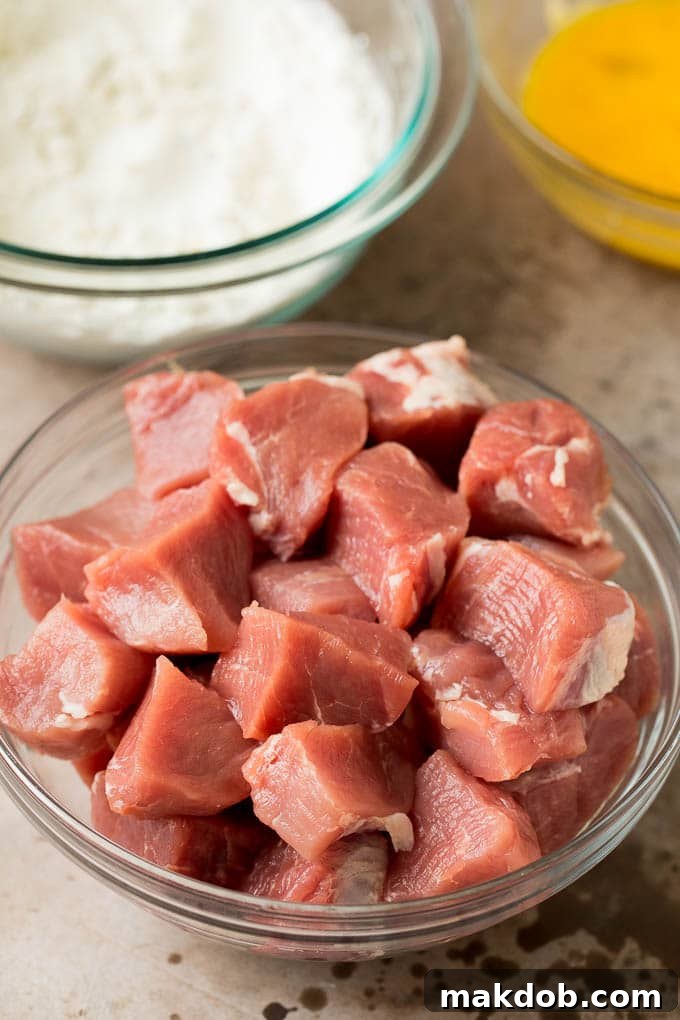
Crafting exceptional sweet and sour pork requires a thoughtful selection of both fresh ingredients and pantry staples. For the main stir-fry component, you’ll need high-quality pork tenderloin, which is lean and incredibly tender when cooked correctly. Eggs, all-purpose flour, and cornstarch form the basis of our signature crispy coating, while vegetable oil is essential for frying. Fresh aromatics like onion and vibrant bell peppers (green and red for visual appeal and flavor) provide depth, and pineapple chunks (whether fresh or canned) are crucial for that iconic sweet and tangy burst.
The star of the show, the homemade sweet and sour sauce, is a symphony of flavors. It requires granulated sugar for sweetness, apple cider vinegar for its distinct tang, and soy sauce for umami. Garlic powder and onion powder infuse the sauce with aromatic notes, while ketchup provides a rich base and a hint of tomatoey sweetness. Finally, an additional tablespoon of cornstarch ensures the sauce thickens to that perfect glossy consistency, clinging beautifully to every piece of pork and vegetable.
Step-by-Step: How to Make Sweet and Sour Pork
Creating this restaurant-quality sweet and sour pork at home is simpler than you might imagine. Follow these detailed steps for a truly memorable meal:
- Prepare the Pork: Begin by trimming any silverskin from your pork tenderloin, then cut it into uniform, bite-sized pieces, roughly 1-inch cubes. Even sizing ensures consistent cooking. Season the pork generously with salt and pepper.
- Breading Station: Set up a simple breading station. In one bowl, whisk two eggs with a pinch of salt and pepper. In a separate shallow bowl or plate, combine all-purpose flour and cornstarch, seasoning this mixture too.
- Coat the Pork: Dip each piece of pork first into the beaten egg, allowing any excess to drip off. Then, dredge it thoroughly in the flour and cornstarch mixture, ensuring an even coating. Set the coated pieces aside on a wire rack while you finish the rest.
- Heat the Oil: Pour about 3 inches of vegetable oil into a deep pot or a Dutch oven. Heat the oil to 350°F (175°C). Using a frying thermometer is crucial for maintaining the correct temperature.
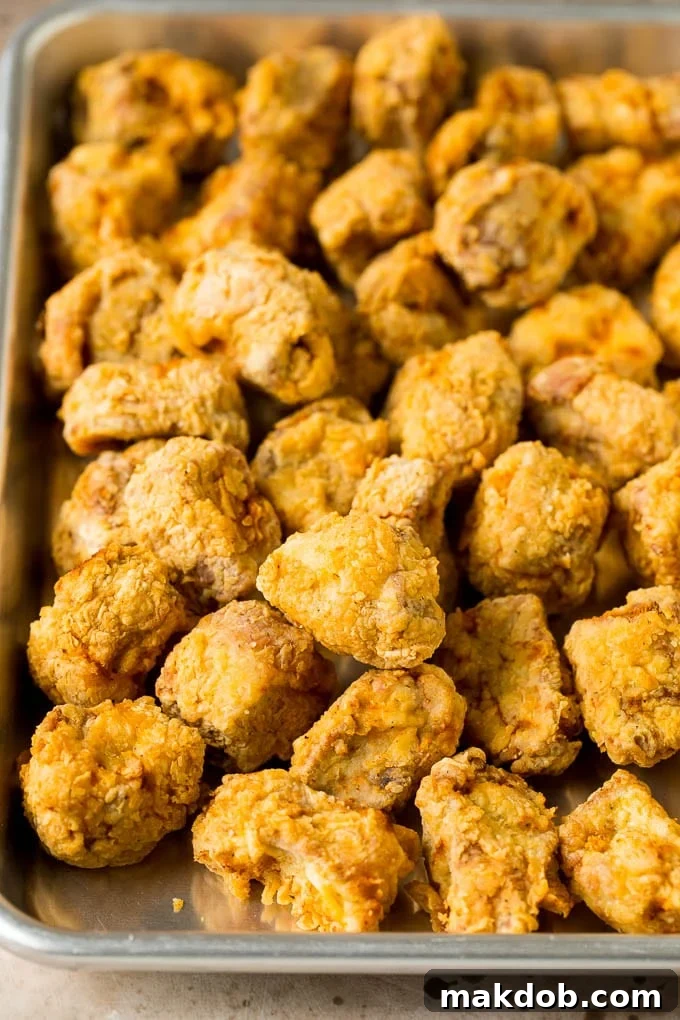
- Fry the Pork: Carefully lower 7-8 pieces of breaded pork into the hot oil, ensuring not to overcrowd the pot. Fry for about 5 minutes, or until the pork is golden brown and delightfully crispy. Remove with a slotted spoon and drain on a plate lined with paper towels. Repeat this process until all the pork is fried.
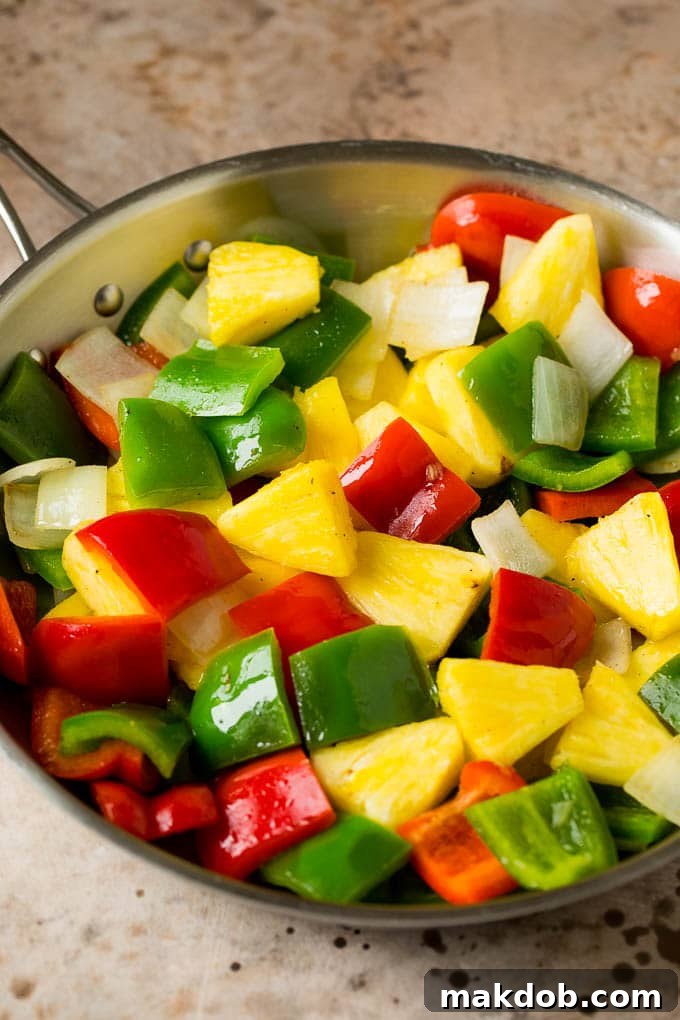
- Sauté the Vegetables: While the pork is frying, heat 2 teaspoons of vegetable oil in a large skillet or wok over medium-high heat. Add the chopped bell peppers and onion. Season lightly with salt and pepper. Sauté for 4-5 minutes, until the vegetables are crisp-tender. Stir in the pineapple chunks during the last minute of cooking.
- Whisk the Sauce: In a small bowl, combine the granulated sugar, apple cider vinegar, soy sauce, garlic powder, onion powder, ketchup, and cornstarch. Whisk vigorously until all ingredients are well combined and the cornstarch is fully dissolved.
- Thicken the Sauce: Pour the prepared sauce over the sautéed vegetables and pineapple in the skillet. Bring the mixture to a gentle simmer, stirring constantly. Allow it to cook for 2-3 minutes, or until the sauce has visibly thickened to a glossy consistency.
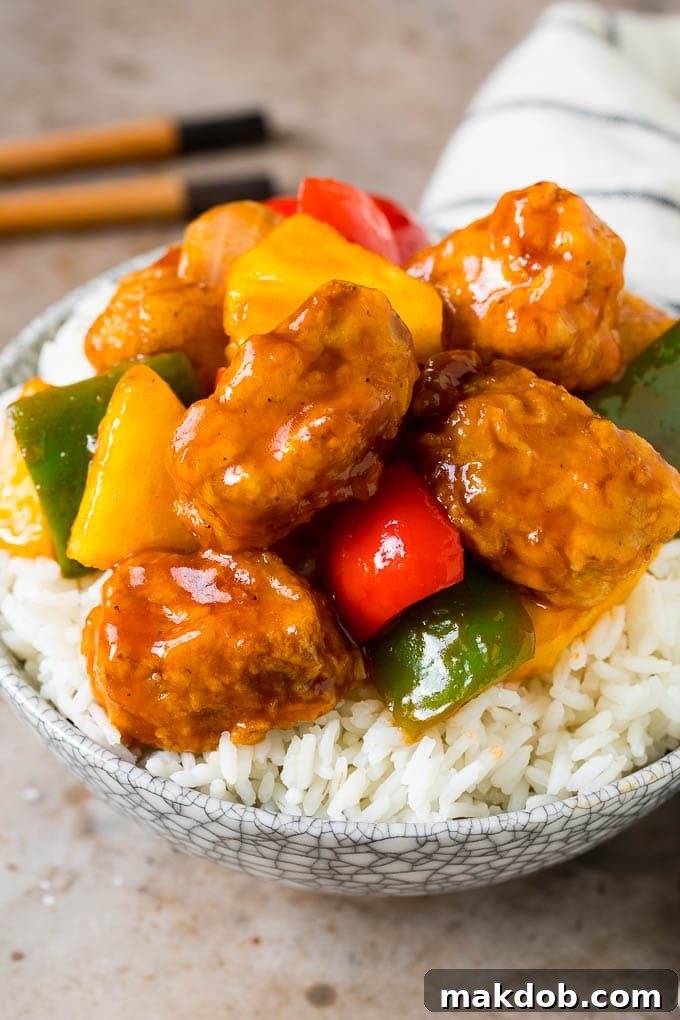
- Combine and Serve: Add the crispy fried pork back into the pan with the thickened sweet and sour sauce and vegetables. Toss everything gently to ensure each piece of pork and vegetable is thoroughly coated in the luscious sauce. Serve immediately over a bed of fluffy steamed rice, and get ready to savor every bite!
Pro Tips for the Perfect Crispy Pork
Achieving restaurant-quality sweet and sour pork at home is within reach with a few simple techniques:
- Firm Up Your Pork: For easier and more precise cutting, place your pork tenderloin in the freezer for about 20 minutes before slicing. This firms up the meat, allowing you to cut perfectly even, bite-sized pieces.
- Pineapple Choice: While fresh pineapple offers unparalleled flavor and texture, good quality canned pineapple chunks (drained) will also yield delicious results. Choose what’s convenient for you.
- Serve Immediately for Best Texture: This dish is undeniably best when served immediately after tossing with the sauce. The crispy coating on the pork will gradually soften as it soaks up the sauce, so enjoy it while it’s at its prime.
- Healthier Alternative: If you’re looking to save on calories or prefer not to deep-fry, you can pan-sear the coated pork pieces in about 2 tablespoons of oil. While the pork may not achieve the same intense crispiness as deep-frying, it will still be wonderfully flavorful and a healthier option.
- Avoid Overcrowding: When frying the pork, work in small batches. Overcrowding the pot will lower the oil temperature, leading to greasy, less crispy pork. Give each piece enough space to cook evenly.
- Sauce Consistency: Ensure your sweet and sour sauce reaches the desired thickness. If it’s too thin, simmer it for a few more minutes. If it becomes too thick, a splash of water or pineapple juice can help thin it out to perfection.
Quick Tip: Mastering Frying Oil Temperature
It’s absolutely critical to use a frying thermometer to accurately monitor and maintain the temperature of your cooking oil. If the oil is too hot, the exterior of the pork will burn quickly before the inside has a chance to cook through. Conversely, if the oil is too cold, the breading will absorb an excessive amount of oil, resulting in a heavy and unappetizingly greasy coating. Aim for a consistent 350°F (175°C) for optimal results.
Sweet and Sour Pork FAQs
Many restaurant versions of sweet and sour pork achieve their bright red hue through the addition of red food coloring to the sauce. In this homemade recipe, we’ve opted not to use artificial coloring. However, the combination of ketchup and other ingredients naturally gives our sauce a beautiful reddish tint. If you prefer a more vibrant, bright red dish reminiscent of classic takeout, feel free to stir in 1-2 drops of liquid red food coloring when you prepare the sauce.
The name “sweet and sour pork” perfectly describes the dominant flavor profile of this beloved dish. The sauce is meticulously crafted to strike a balance between sweetness, primarily from sugar and ketchup, and sourness, which comes from vinegar, most commonly apple cider vinegar in this recipe. This delightful contrast is what makes the dish so addictive and universally appealing.
Sweet and sour pork offers a symphony of tastes and textures. You’ll experience the satisfying crunch of perfectly fried pork bites, followed by the tender sweetness of cooked bell peppers and onions, brightened by juicy pineapple chunks. All of these components are brought together by a rich, glossy sauce that is simultaneously sweet, tangy, and savory. It’s an incredibly delicious and well-rounded flavor experience that satisfies all the senses.
While the pork itself is best enjoyed immediately after being tossed in the sauce to preserve its crispiness, you can prepare some components in advance. The sweet and sour sauce can be made a day or two ahead and stored in the refrigerator. You can also cut and prepare your pork and vegetables in advance. When ready to serve, simply fry the pork, sauté the vegetables, and heat the sauce, then combine quickly.
Store any leftover sweet and sour pork in an airtight container in the refrigerator for up to 3-4 days. Be aware that the pork’s crispy coating will likely soften once it has been mixed with the sauce and stored. To reheat, gently warm in a skillet over medium heat or in the microwave until heated through. For best results and a slightly crisper texture, reheat in an oven or air fryer.
Follow me
Flavor Variations and Customizations
While this sweet and sour pork recipe is absolutely fabulous as written, it also serves as a fantastic canvas for your culinary creativity. Don’t hesitate to customize the ingredients to perfectly suit your palate and available ingredients:
- Protein Alternatives: Instead of pork tenderloin, you can achieve equally delicious results with pork shoulder, which becomes incredibly tender when cooked. For a different type of meat, explore my popular Sweet and Sour Chicken or our vibrant Sweet and Sour Shrimp recipes. Tofu or tempeh can also be used for a vegetarian option, ensuring a delightful plant-based meal.
- Expanded Vegetable Medley: Enhance the nutritional value and texture of your stir-fry by adding other quick-cooking vegetables. Consider water chestnuts for a crisp bite, sliced mushrooms for umami depth, tender baby corn, or thinly sliced carrots for extra color and sweetness. Broccoli florets, snow peas, or snap peas are also fantastic additions.
- Garnishes and Toppings: Elevate the presentation and add an extra layer of flavor with simple toppings. A sprinkle of toasted sesame seeds adds nutty crunch, a handful of thinly sliced green onions provides a fresh, aromatic finish, and a pinch of crushed red chili flakes can introduce a subtle heat for those who enjoy a little spice.
- Sauce Personalization:
- For an even sweeter and fruitier sauce, consider adding a tablespoon or two of pineapple juice. You can easily use the juices from canned pineapple or, if using fresh, blend a small piece of pineapple and strain the juice.
- If you crave a sauce with a little more depth and a gentle warmth, finely minced fresh ginger can be incorporated into the sauce mixture.
- For a bolder, umami-rich flavor, a dash of fish sauce can be added, but use sparingly as it’s potent.
- Dipping Sauce Variation: If you’re looking for a versatile sweet and sour sauce specifically for dipping appetizers like crispy eggrolls or wontons, try my luscious standalone Sweet and Sour Sauce recipe, perfect for all your dipping needs.
Ditch the notion of ordering takeout tonight and commit to making your own incredible sweet and sour pork at home. This recipe is guaranteed to impress and delight, leaving you with no regrets!
More Asian Food Favorites
Potstickers Recipe
45 mins
Chicken Fried Rice
30 mins
Fried Wonton Recipe
1 hr
Honey Chicken
45 mins
Beef Chow Mein
35 mins
Sweet and Sour Pork Video Guide
For those who prefer visual learning, a comprehensive video guide is available to walk you through each step of preparing this incredible sweet and sour pork. Watch as we bread and fry the pork, sauté the fresh vegetables, and create the perfect homemade sweet and sour sauce. This video ensures you can follow along with ease and confidence, bringing this delicious dish to life in your own kitchen.
Love This Recipe?
We’d be thrilled if you could share your experience! Please consider leaving a 5-star 🌟🌟🌟🌟🌟 rating in the recipe card below and a helpful review in the comments section further down the page. Your feedback helps other home cooks discover and enjoy this fantastic recipe!
Sweet and Sour Pork
Pin

Time
Ingredients
For the stir fry
- 1 1/2 pounds pork tenderloin cut into 1 inch pieces
- 2 eggs beaten
- salt and pepper to taste
- 1/2 cup all purpose flour
- 1/2 cup cornstarch
- 2 teaspoons vegetable oil plus more for frying
- 1/2 cup onion cut into 1 inch pieces
- 1 medium green bell pepper cut into 1 inch pieces
- 1 medium red bell pepper cut into 1 inch pieces
- 3/4 cup pineapple chunks fresh or canned
For the sauce
- 1/2 cup granulated sugar
- 1/3 cup apple cider vinegar
- 2 tablespoons soy sauce
- 1/4 teaspoon garlic powder
- 1/4 teaspoon onion powder
- 1/3 cup ketchup
- 1 tablespoon cornstarch
Instructions
For the stir fry
-
Place the eggs in a bowl and season with salt and pepper to taste.
-
In a separate shallow bowl or on a plate, mix the flour and cornstarch together. Season this mixture with salt and pepper to taste.
-
Heat about 3 inches of vegetable oil in a deep pot or Dutch oven to 350 degrees F (175°C). Use a frying thermometer for accuracy.
-
Dip each piece of pork into the beaten egg mixture, then dredge it thoroughly in the flour and cornstarch blend, ensuring it’s fully coated. Repeat for all pork pieces.
-
Carefully fry 7-8 pieces of pork at a time for approximately 5 minutes, or until they turn golden brown and are crispy. Remove the fried pork with a slotted spoon and drain on paper towels to remove excess oil. Repeat this process for all remaining pork pieces.
-
While the pork is frying, heat the 2 teaspoons of vegetable oil in a large pan or wok over medium-high heat. Add the chopped bell peppers and onion to the pan and season lightly with salt and pepper to taste.
-
Cook the vegetables for 4-5 minutes, stirring occasionally, until they are just tender-crisp. Stir in the pineapple chunks during the last minute of cooking.
For the sauce
-
In a small bowl, whisk together the granulated sugar, apple cider vinegar, soy sauce, garlic powder, onion powder, ketchup, and the final tablespoon of cornstarch until smooth and well combined.
-
Pour this whisked sauce mixture into the pan with the sautéed peppers, onions, and pineapple. Bring the sauce to a gentle simmer, stirring continuously. Cook for 2-3 minutes, or until the sauce has thickened to a glossy, appetizing consistency.
-
Add the crispy fried pork pieces back into the pan with the vegetables and pineapple, then gently toss everything to ensure all components are beautifully coated with the sweet and sour sauce. Serve this delectable dish immediately for the best flavor and texture.
Notes
- You can place your pork tenderloin in the freezer for about 20 minutes before cutting to firm it up. This technique makes the meat much easier to slice into evenly sized pieces, which ensures uniform cooking.
- While fresh pineapple offers a bright, tangy flavor, good quality canned pineapple chunks (drained) will also work wonderfully in this dish if fresh is not available or convenient.
- For the optimal crispy texture, this dish is best served immediately after the fried pork is coated in the sauce. The breading will begin to soften as it absorbs the sauce over time.
- Maintaining the correct oil temperature is crucial for frying. Always use a frying thermometer and aim for 350°F (175°C). Oil that is too hot will burn the exterior quickly, leaving the inside uncooked, while oil that is too cool will result in a greasy, heavy coating.
Nutrition
Tweet
Pin